
500 000+
Produits gérés

500 000+
Produits gérés
garantie
12 mois pour tous les produits
livraison express
Toujours et partout
4,9
Avis moyens
Partout
Assistance mondiale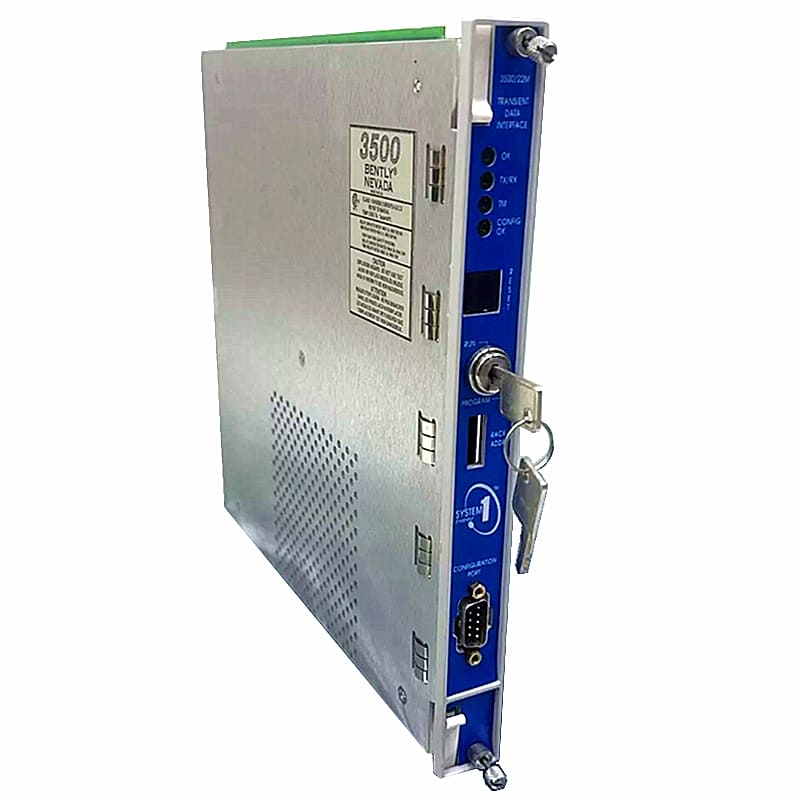
3500 System, Proximity Probes, Sensors & Transducer Systems, AHM Sensors, Accelerometers, etc.
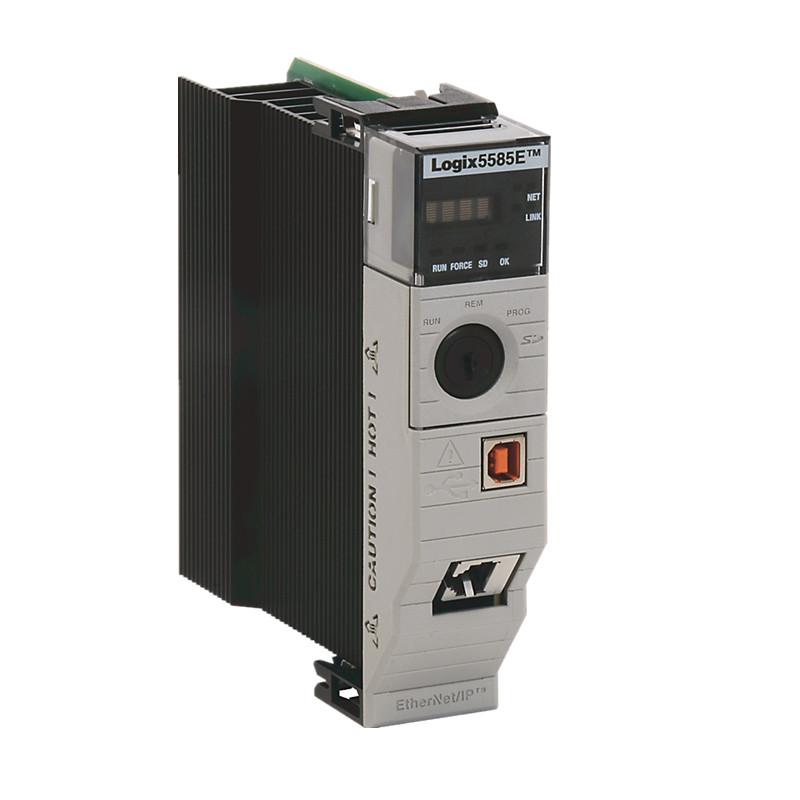
Controllogix, CompactLogix, Flex I/O, etc.
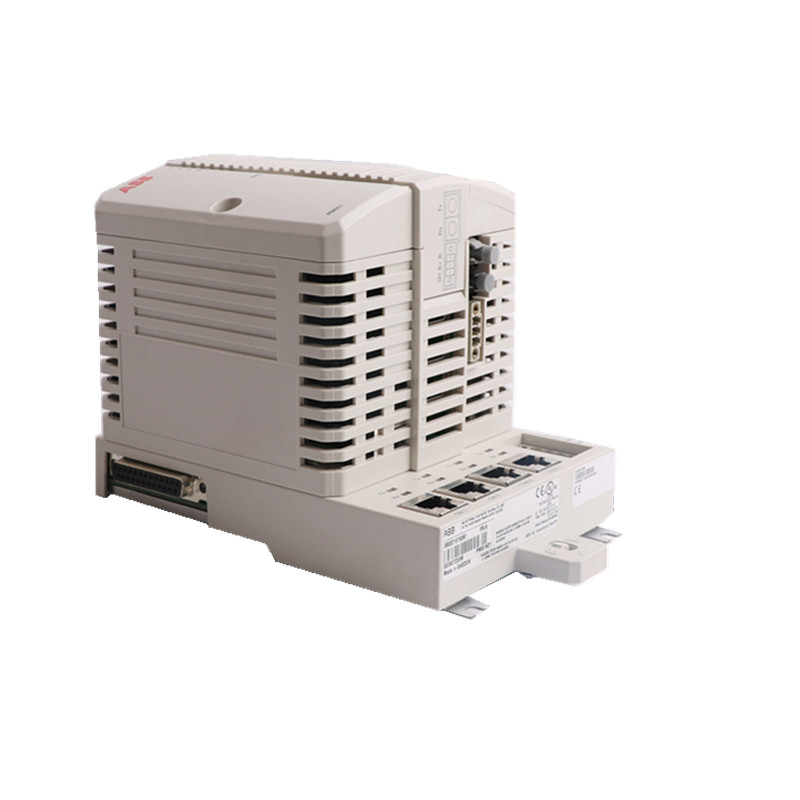
DCS 800xA, AC500, S700, S800, S900, etc.
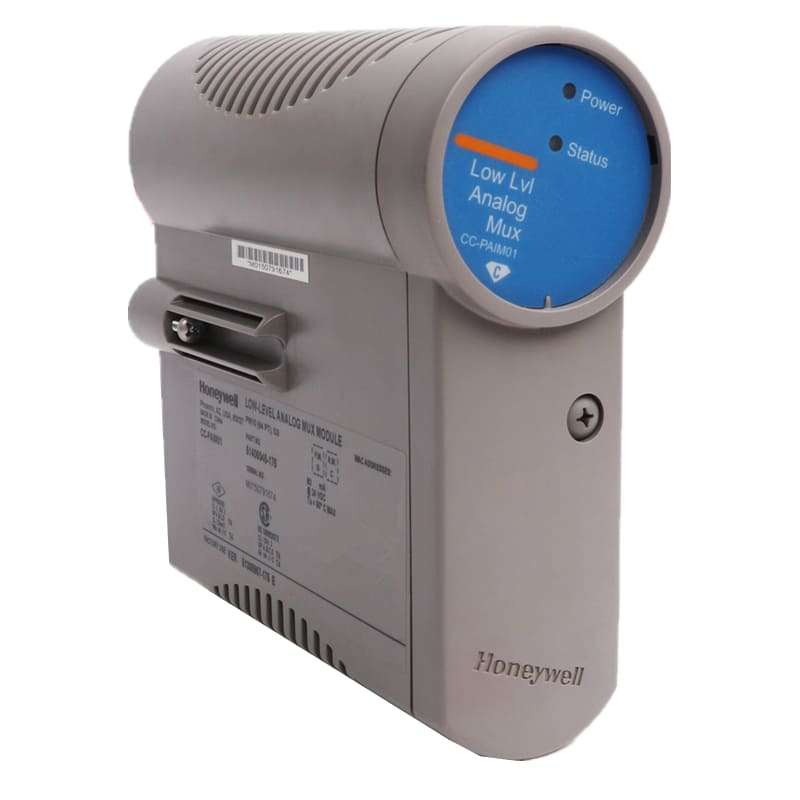
Experion PKS C300, HC900, etc.
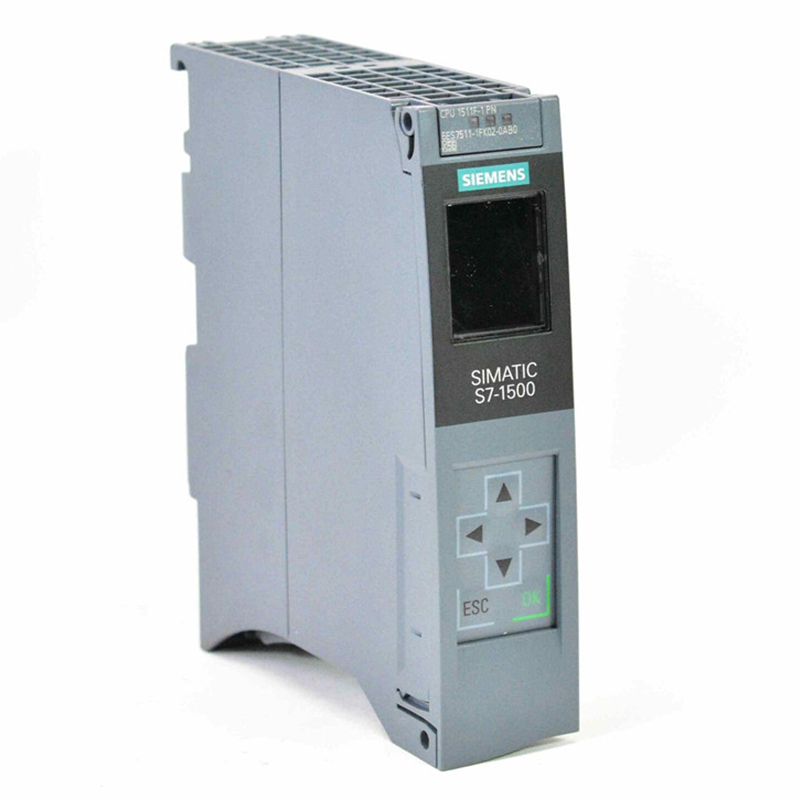
Simatc S7-200, Sh-400, Sh-1200, Sh-1500, Hmi, H.
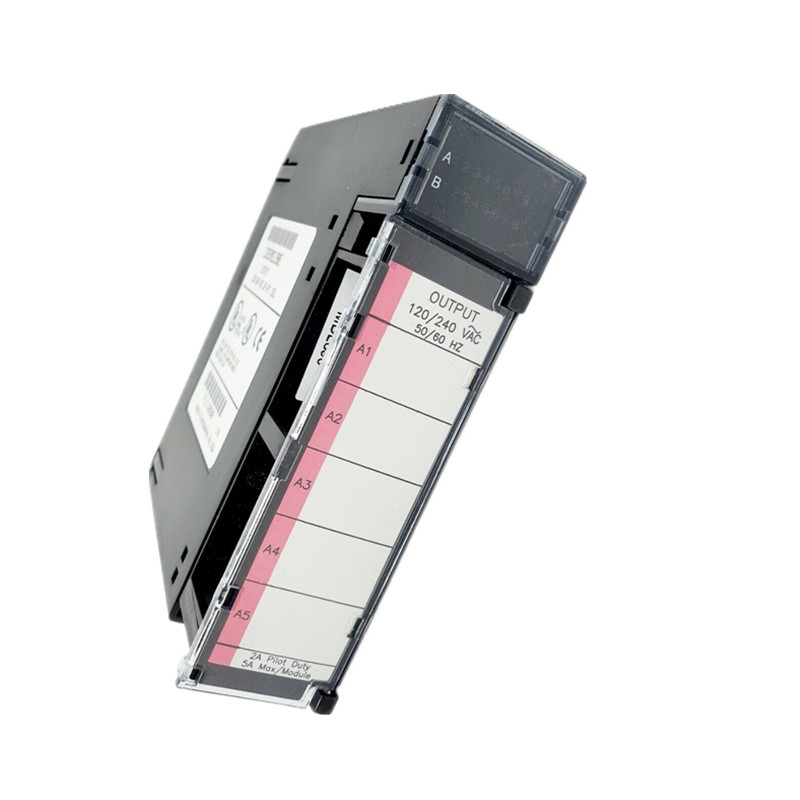
90-70, 90-30, PACSystems* RX7i, RX3i, automate VersaMax, etc.
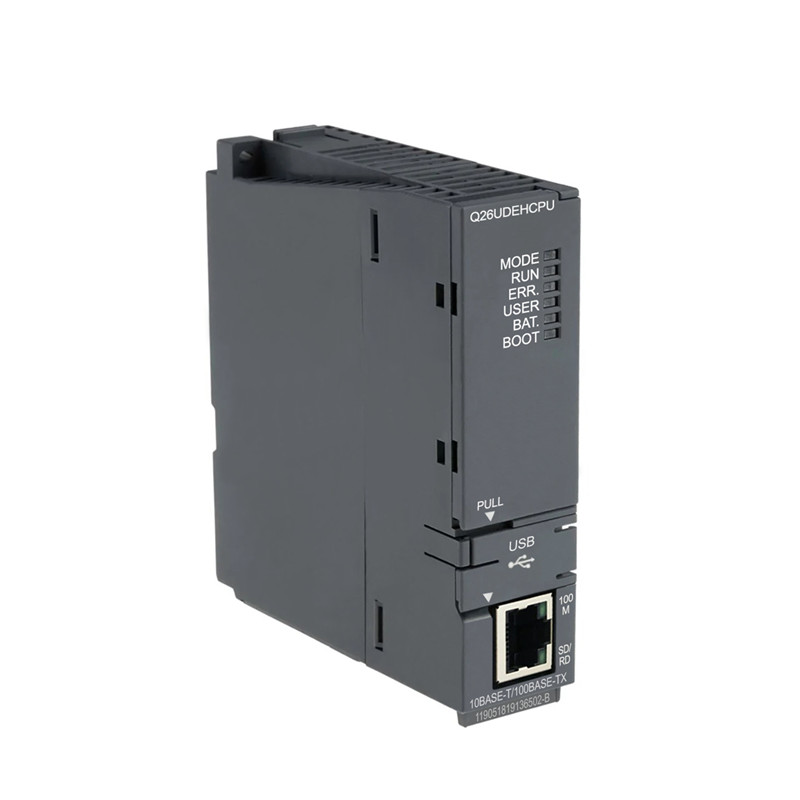
Série MELSEC-Q, série MELSEC-F, série MELSEC iQ-F, etc.
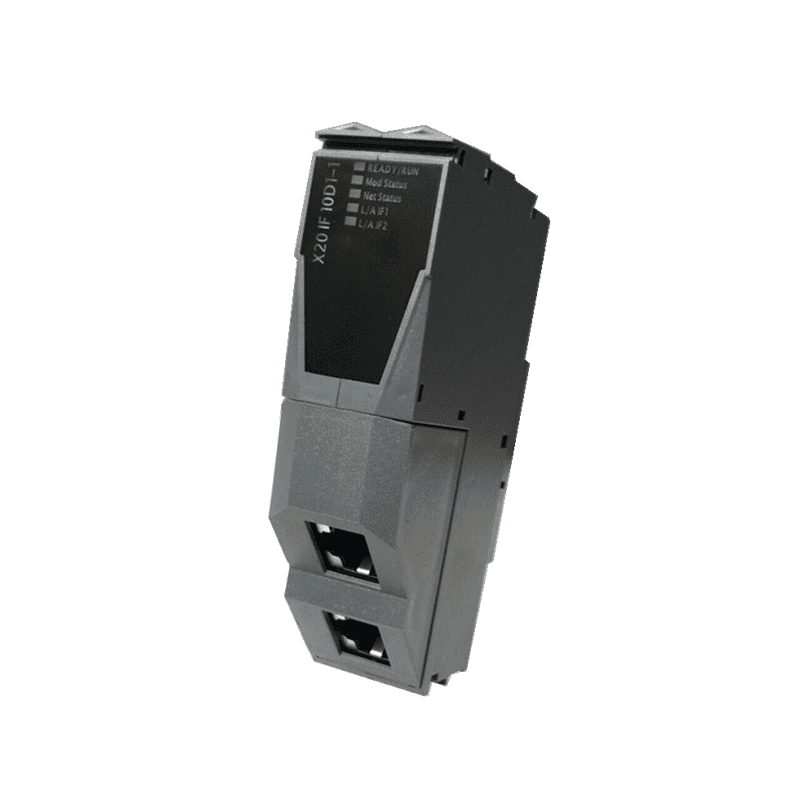
Système PLC, système d'E/S, système X20, système X67, etc.
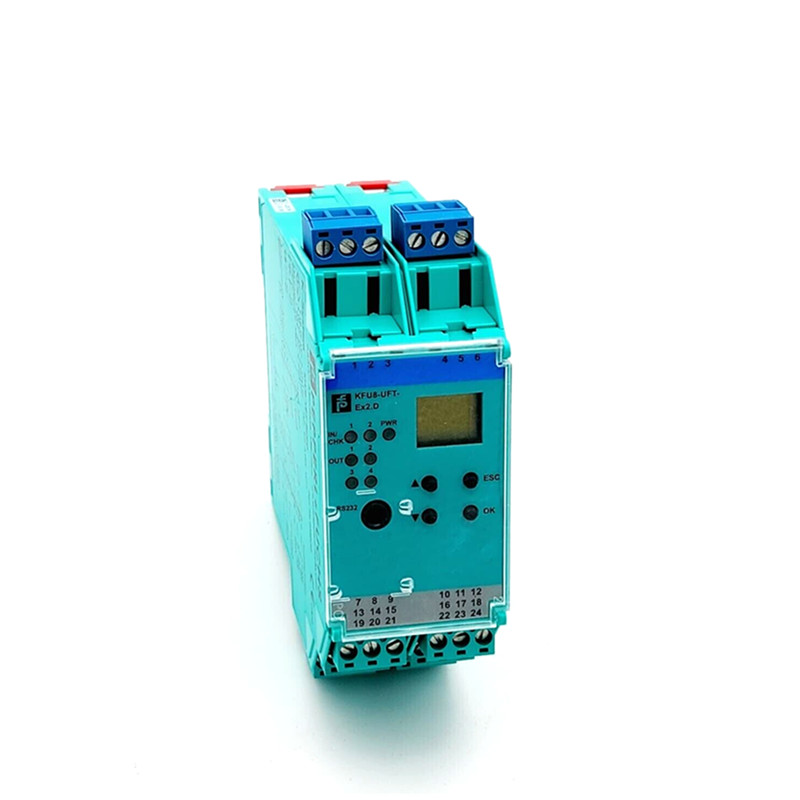
Barrières isolées (système K), etc.

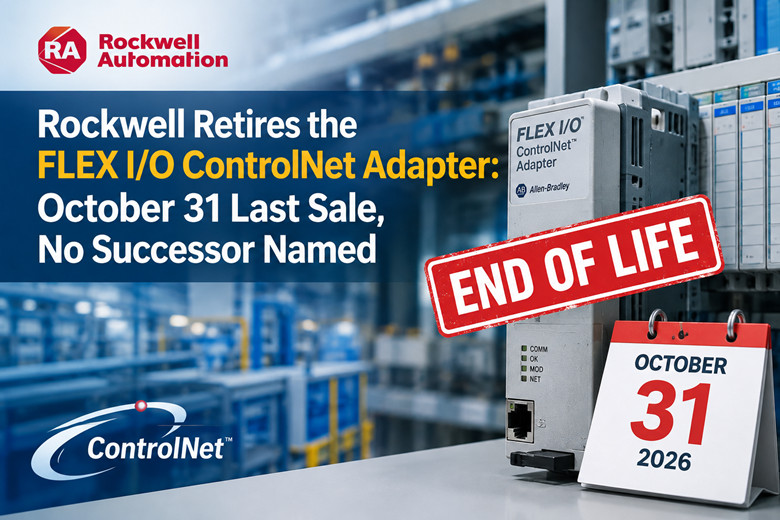
*Actualités du secteur | 12 octobre 2026*Rockwell Automation a fixé au 31 octobre 2026 la date d'arrêt de la commercialisation de l'adaptateur FLEX I/O ControlNet, sans prévoir de produit de remplacement. Les références concernées sont 1794-ACN15 (adaptateur ControlNet standard) et 1794-ACNR15 (version à supports redondants).Cela laisse à l'usine environ trois semaines pour passer sa dernière commande. Passé ce délai, l'adaptateur ne sera plus disponible dans le catalogue de Rockwell, et le seul moyen de s'en procurer un de remplacement sera de se tourner vers les distributeurs et fournisseurs indépendants qui en auront encore en stock.Une ligne de production à l'arrêt se fiche de la complexité du plan de migration. Ce qui compte, c'est que l'adaptateur disponible soit compatible. La date du 31 octobre n'est donc pas une simple note technique, mais bien une date limite de commande, et la livraison aura lieu dans trois semaines.Lisez attentivement le reste du document avant de décider de la quantité de stock à acheter. L'adaptateur ControlNet s'inscrit dans un cycle de retrait plus large des E/S FLEX, et les délais de livraison des composants restants vous indiquent votre marge de manœuvre réelle. La date qui compte est le 31 octobre.Le 31 octobre est le dernier jour pour commander les modèles 1794-ACN15 et 1794-ACNR15 auprès de Rockwell. La page produit affiche la mention « Fin de vie » avec cette date d'arrêt de production, et le libellé est suffisamment clair pour ne laisser aucune place à l'interprétation : « Rockwell Automation annonce qu'à compter du 31 octobre 2026, l'adaptateur Flex ControlNet sera abandonné et ne sera plus disponible à la vente. Les clients sont invités à supprimer toute référence au(x) produit(s) concerné(s). »Cette dernière phrase mérite d'être relue. Rockwell vous demande de supprimer la référence de la pièce de vos schémas, de vos nomenclatures et de vos procédures de maintenance. L'entreprise ne vous indique pas par quoi la remplacer.La catégorie de remplacement indiquée sur la page produit est « Pièce de rechange technique ». Cette formulation, bien que précise, est peu informative pour les utilisateurs de ce matériel. Une pièce de rechange fonctionnelle s'installe facilement et remplit la même fonction. Une pièce de rechange technique, quant à elle, permet d'effectuer la tâche, mais sa conception a été modifiée, et les responsables de cette modification ne sont pas ceux qui gèrent le budget de maintenance.Aucune référence de pièce de rechange n'est indiquée. C'est ce détail qui devrait guider votre décision d'achat ce mois-ci.Lorsqu'un fournisseur propose une pièce de rechange, vous pouvez vous organiser en conséquence. Vous consultez la fiche technique, vous vérifiez les dimensions, vous commandez la pièce pour votre banc d'essai et vous identifiez les pannes. En revanche, si le champ « pièce de rechange » est vide, c'est à vous d'élaborer le plan de migration, sans aucune indication de la part du fournisseur.Pour une usine qui continue d'utiliser son ancien système ControlNet parce qu'il fonctionne et que le financement a été approuvé il y a une autre époque, c'est le moment où la question de la plateforme se pose. Soit vous achetez du matériel existant pour prolonger la durée de vie de votre infrastructure, soit vous acceptez que votre parc ControlNet soit désormais voué à disparaître, et ce, sans que vous en ayez anticipé la fin.Le compte à rebours est bel et bien réel. Rockwell a cessé ses ventes. Chaque adaptateur en service est désormais à la merci d'une simple panne, et il sera impossible de résoudre le problème par les voies habituelles.Qu'est-ce qui est abandonné et qu'est-ce qui ne l'est plus ?Le retrait du marché ne concerne pas tous les adaptateurs d'E/S FLEX simultanément, et les intervalles entre les dates sont plus importants que les dates elles-mêmes. Voici la liste des modèles, avec la signification de chaque modèle pour le stock.1794-ACN15, adaptateur FLEX I/O ControlNet, support non redondant. État du cycle de vie : Fin de vie. Arrêt de la production : 31 octobre 2026. Catégorie de remplacement : Remplacement technique. Aucun successeur désigné.1794-ACNR15, adaptateur FLEX I/O ControlNet avec support redondant. Fin de vie. Arrêt de la production le 31 octobre 2026. Remplacement : remplacement technique. Aucun successeur désigné.1794-ACNR15XT, adaptateur Flex XT ControlNet pour environnements à températures étendues. Fin de vie. Arrêt de la production le 31 décembre 2027. Produit de remplacement : 5094-AENTRXT.Adaptateur FLEX EtherNet/IP 1794-AENT avec 10BaseT. Fin de vie. Arrêt de la production le 30 septembre 2028. Produit de remplacement : fonctionnel. Référence : 1794-AENTR.1794-AENTR, l'adaptateur EtherNet/IP double port FLEX I/O. Statut du cycle de vie : Actif et mature, ce qui signifie qu'il est toujours d'actualité. Rockwell annonce un délai de livraison estimé à 5 jours.Les deux adaptateurs ControlNet sont remplacés en premier, et ensemble. La version XT, conçue pour les environnements chauds, froids et poussiéreux, bénéficie de quatorze mois supplémentaires et d'une destination spécifique. L'adaptateur EtherNet/IP est quant à lui remplacé pour près de deux ans supplémentaires et est entièrement fonctionnel.Ce schéma n'est pas aléatoire. La plateforme n'est pas abandonnée d'un seul coup. Elle est retirée progressivement d'un protocole réseau à la fois, et ControlNet est en tête de liste.Si vous utilisez à la fois un adaptateur ControlNet standard et une unité XT dans la même usine (ce qui est fréquent sur les sites comportant à la fois des panneaux climatisés et des armoires extérieures ou lavables), les deux unités ne sont pas synchronisées. Veillez à bien distinguer les deux dates lors des discussions budgétaires. Les utilisateurs d'unités XT bénéficient d'un successeur désigné et d'un délai supplémentaire. Ce n'est pas le cas des utilisateurs de ControlNet standard.Côté EtherNet/IP, la solution reste fiable. Le 1794-AENTR est un composant mature et Rockwell annonce un délai de livraison de 5 jours. Vous n'aurez donc pas de problème avec ce composant : vous pouvez le commander par les voies habituelles et le recevoir dans la semaine.Ce qui importe ici, c'est que l'adaptateur EtherNet/IP constitue la solution idéale si l'usine abandonne ControlNet. Il existe, sa livraison est rapide et il n'est pas menacé de disparition. Cette combinaison vous offre une option, et cette option est bien plus simple que de laisser le champ vide à côté de la partie ControlNet.Commençons par expliquer le rôle d'un adaptateur FLEX I/O. Un adaptateur permet de connecter jusqu'à huit modules FLEX I/O au réseau. Côté ControlNet, le trafic s'effectue via ControlNet V1.5. L'adaptateur constitue le point unique où un rack d'E/S communique avec le contrôleur ou se déconnecte.Un adaptateur, jusqu'à huit modules, une connexion réseau. En cas de défaillance de cet adaptateur, vous ne perdez pas un seul point d'entrée, mais l'ensemble du rack.C'est ce chiffre qu'il faut retenir pour déterminer la quantité à acheter. L'exposition par adaptateur ne correspond pas au prix de l'adaptateur, mais à l'ensemble des câbles qui y sont connectés.Pourquoi un délai de 73 jours aggrave la situation.La page produit 1794-ACN15 indique un délai de livraison estimé à 73 jours. Soit 730 heures d'attente, et ce, selon l'estimation de Rockwell, pour une pièce qui sera retirée du catalogue dans trois semaines.Réfléchissez-y un instant. La date limite pour commander est dans environ trois semaines. Le délai de livraison est d'environ dix semaines et demie.Ces deux dates ne correspondent pas, et c'est cette incohérence qui explique tout. Une commande passée le dernier jour d'octobre n'arrivera pas en octobre. Elle arrivera plutôt durant la première quinzaine de janvier, si l'estimation se confirme.C'est le piège de l'achat de dernière minute. Quand on entend « date limite de commande », on imagine une échéance ferme à partir de laquelle on peut s'organiser. En réalité, un achat de dernière minute, c'est s'engager à attendre, et on passe commande avant même de savoir à quoi ressembleront les douze prochains mois, souvent marqués par des échecs.Pour un responsable de la maintenance, cela change la donne. Il ne s'agit plus de choisir entre acheter maintenant et acheter plus tard au même prix et avec la même disponibilité. Il s'agit de choisir entre sécuriser le stock avec un délai de livraison connu et prendre le risque qu'aucun composant ne tombe en panne alors que la chaîne d'approvisionnement se referme.Un délai de 73 jours est également révélateur de la chaîne d'approvisionnement. Les longs délais de livraison pour les composants en fin de vie signifient généralement que la pièce est fabriquée sur commande, prélevée sur des stocks en diminution ou soumise à une allocation. Aucune de ces conditions ne s'améliore après la date d'arrêt de production. Elles s'aggravent, puis les composants se raréfient, jusqu'à ce qu'il ne reste plus que les pièces déjà en stock.Le délai de livraison de 5 jours pour l'adaptateur EtherNet/IP contraste fortement avec celui de 73 jours indiqué dans le même catalogue, et c'est précisément ce contraste qui est révélateur. L'un est un produit que vous pouvez commander dès cet après-midi, l'autre nécessite un engagement de plusieurs mois pour être assuré de le recevoir.En pratique, c'est simple. Après le 31 octobre, la disponibilité ne dépend pas du prix, mais de la disponibilité des pièces. Les distributeurs et les fournisseurs indépendants constituent le circuit de distribution, et ce circuit s'amenuise chaque mois.Si vous avez un rack critique, le délai de livraison justifie d'agir ce mois-ci plutôt que la première semaine de novembre. La différence entre commander le 24 octobre et commander le 3 novembre ne représente pas 3 % du montant d'une commande. Elle correspond à la différence entre la chaîne d'approvisionnement de Rockwell et les stocks disponibles sur le marché secondaire.Si vous avez besoin d'aide pour trouver les pièces encore disponibles, les pièces Allen-Bradley abandonnées constituent un bon point de départ pour votre recherche, et il est préférable de le faire avant la date limite de vente plutôt qu'après.Deux solutions réalistes s'offrent à vous : conserver la plateforme ou migrer vers EtherNet/IP.Une fois l'adaptateur retiré du catalogue, l'usine n'a plus que deux options viables. Tout le reste n'est qu'une variante de l'une d'elles.La première solution consiste à conserver la plateforme. Vous achetez suffisamment d'adaptateurs pour assurer la continuité de service des racks ControlNet sur la période prévue, vous les stockez correctement et vous poursuivez votre activité. Cette solution ne nécessite aucun investissement, aucun changement de contrôleur ni aucune interruption de service. Elle requiert simplement un bon de commande et un emplacement dédié.Le coût de cette solution réside dans le matériel lui-même. Les adaptateurs qui restent inutilisés pendant des années ne consomment ni énergie ni frais de stockage, mais ils immobilisent le fonds de roulement, nécessitent un entreposage dans un endroit sec et stable, et leur suivi est indispensable. L'avantage est qu'une panne survenue un mardi après-midi se traduit par un remplacement en quinze minutes au lieu d'un incident de production.La seconde option consiste à migrer vers EtherNet/IP. Dans ce cas, l'usine cesse de considérer ControlNet comme une solution permanente et le perçoit comme un projet. Le modèle 1794-AENTR existe, il est mature et disponible sous cinq jours environ ; il représente l'adaptateur vers lequel tend la plateforme d'E/S FLEX.La migration implique bien plus que le simple changement d'adaptateur. Le contrôleur doit utiliser le même protocole, l'architecture réseau et l'adressage sont modifiés, et les équipes de maintenance doivent maîtriser de nouveaux outils. C'est pourquoi il s'agit d'un projet et non d'une simple commande.Il est important de bien comprendre l'ampleur de l'écart. ControlNet V1.5 et EtherNet/IP sont des réseaux différents, avec des câblages, des topologies et des outils de diagnostic distincts. La migration d'une baie ne se limite pas au remplacement d'une seule carte. La baie doit être réhébergée sur un réseau compatible ou non avec le reste du système de contrôle.Pour certaines centrales, ces travaux sont déjà en cours. Tout site ayant modernisé sa couche de contrôle au cours de la dernière décennie dispose probablement d'un réseau dorsal EtherNet/IP, et les baies FLEX constituent les derniers îlots ControlNet encore connectés. Pour ces sites, l'arrêt de ce réseau représente un simple ajustement du calendrier, et non une situation d'urgence.Pour d'autres installations, les baies FLEX I/O ControlNet constituent l'épine dorsale du système. Installées initialement comme solution intelligente et flexible, elles ont permis le développement du reste de l'usine. Sur ces sites, la seconde option implique un véritable investissement, tandis que la première assure la continuité des opérations pendant cette phase.La solution pratique pour la plupart des opérations consiste à combiner plusieurs approches. Il faut constituer un stock d'adaptateurs pour les racks dont l'arrêt est absolument indispensable, et entamer les études d'ingénierie nécessaires au déplacement des racks moins critiques ou dont l'arrêt est déjà planifié.Ce mélange n'est pas gratuit, c'est certain. Chaque mois passé à hésiter raccourcit d'un mois la période d'achat, et le prix et la disponibilité des articles restants sur le marché de l'occasion sont très variables.Si vous hésitez entre les deux options, les pièces détachées de Rockwell Automation constituent un point de référence utile pour savoir ce qui est encore disponible sur le marché de l'après-vente, ce qui vous permet de comparer le coût des pièces en stock avec celui du projet.Quel est le coût réel d'une panne imprévue d'adaptateur pour l'opération ?C’est là que les gens réclament un chiffre, et c’est là qu’un article sérieux se refuse à en donner un. Le coût d’une interruption de service dépend entièrement de l’installation, et tout chiffre unique cité ici serait inventé, inadapté à votre site et inutile pour établir un budget.Voici comment créer votre propre numéro.Commencez par votre cadence de production ou votre débit de production, quelle que soit l'unité de mesure que vous utilisez déjà. Multipliez-le par la valeur de cette production. Vous obtiendrez ainsi le coût d'une heure d'inactivité.Ajoutez maintenant le temps d'inactivité de la main-d'œuvre pendant l'arrêt de la ligne. Ajoutez le coût de redémarrage, qui correspond à des rebuts pour certains procédés et à des heures de préchauffage et de requalification pour d'autres. Ajoutez les heures supplémentaires si vous rattrapez le volume perdu grâce à des équipes supplémentaires.Le résultat correspond à votre coût par heure d'arrêt. C'est ce chiffre qui doit être pris en compte dans la décision, et vous seul pouvez le calculer.Ensuite, effectuez les calculs nécessaires. Si l'adaptateur est disponible, la panne vous coûtera un remplacement : appelez l'électricien, mettez le rack hors tension, changez la carte, remettez-le sous tension et vérifiez. Comptez environ deux heures, souvent moins.Si l'adaptateur n'est pas en stock, le temps continue de s'écouler. Vous contactez vos fournisseurs, vous apprenez qu'aucun n'a de stock immédiat, vous attendez. À cela s'ajoutent les frais de transport pour une livraison express et la surtaxe que représente toute pièce rare lorsque le vendeur sait que vous en avez besoin aujourd'hui.Ce délai entre un échange et l'attente justifie à lui seul le stockage de pièces détachées. C'est aussi ce nombre qui donne l'impression qu'une étagère remplie d'adaptateurs est bon marché.Le délai de 73 jours pour la référence 1794-ACN15 transforme une commande classique en une opération de production. Une pièce habituellement disponible la semaine suivante risque, après le 31 octobre, de ne plus être disponible au prix et dans les délais habituels.Il existe un second coût, souvent négligé : la perte de l’adaptateur d’un rack entraîne la mise hors service de jusqu’à huit modules d’E/S. Si ces modules gèrent un verrouillage de sécurité, une recette de lot ou une mesure de qualité, une simple intervention électrique de deux heures peut se transformer en rejet de lot ou en mise en quarantaine pour défaut de qualité, et ce, bien au-delà de la durée de la réparation.C'est pourquoi la question des pièces de rechange ne concerne jamais vraiment l'adaptateur. Elle concerne le rack, et le rack dépend de la manière dont l'installation traite les signaux.Si vous n'avez jamais calculé le coût des temps d'arrêt pour votre site, faites-le dès maintenant, tant que la pièce est encore disponible. Il est bien plus facile de justifier un achat de stock avec un chiffre précis sur une feuille de calcul qu'avec le simple sentiment que les pièces de rechange sont probablement une bonne idée.Pour les usines qui continuent d'exploiter des plateformes anciennes, le matériel PLC hérité est souvent la source pratique des pièces que le fournisseur d'origine ne vend plus, et connaître sa source avant une panne fait partie intégrante de ce calcul.Un audit des pièces détachées que vous pouvez réaliser cette semaineIl s'agit d'un exercice de terrain qui ne nécessite pas de code de projet. L'objectif est d'obtenir un chiffre précis : combien d'adaptateurs 1794-ACN15 et 1794-ACNR15 votre site utilise-t-il réellement ?Commencez par le panneau de commande. Listez tous les racks d'E/S FLEX équipés d'un adaptateur ControlNet. Pour chacun, notez le nom du panneau, le processus concerné et son caractère critique ou non. N'omettez pas les racks difficiles d'accès, même dans les recoins les plus reculés de l'usine ; ce sont ceux qu'on oublie le plus souvent lors de la planification et les plus difficiles d'accès en cas de panne.Comptez maintenant les adaptateurs. Notez s'il s'agit d'un 1794-ACN15 ou d'un 1794-ACNR15. Si votre site utilise des supports redondants, c'est le nombre d'ACNR15 qu'il faut surveiller, car les deux versions ont été abandonnées le 31 octobre et aucune n'a de successeur désigné.Ensuite, vérifiez votre propre stock avant de vérifier celui des autres. Certains sites possèdent des adaptateurs achetés il y a des années et jamais répertoriés. Un inventaire des stocks disponibles est gratuit et peut bouleverser votre plan d'achat en un après-midi.Comparez ensuite vos besoins à vos stocks actuels. L'écart entre ces deux montants correspond à vos achats du mois.Au fur et à mesure, notez les défaillances. Si un adaptateur a connu des défaillances ces dernières années, indiquez-en la cause. Une défaillance d'adaptateur n'est pas un phénomène isolé. La chaleur, les vibrations, une alimentation électrique instable et des connexions de fond de panier desserrées contribuent à son usure, et une baie ayant déjà subi des défaillances continuera d'en subir après la fermeture du catalogue. Les baies n'ayant jamais connu de défaillances sont les plus adaptées à une migration plus longue.Deux autres éléments figurent sur la feuille d'audit.Tout d'abord, listez les racks XT séparément. Le rack 1794-ACNR15XT est valable jusqu'au 31 décembre 2027 et sera remplacé par le rack 5094-AENTRXT. Il s'agit donc d'un élément distinct, avec un niveau de priorité différent. L'intégrer au décompte standard de ControlNet risque de surestimer ou de sous-estimer votre exposition.Deuxièmement, notez qui prend la décision. Chaque achat de dernière minute qui traîne est dû au fait que le service de maintenance veut le stock, le service financier exige une justification, et que personne n'a noté qui signe le bon de commande. Réglez ce problème avant la dernière semaine d'octobre.Une fois l'audit terminé, la décision d'achat repose sur des calculs, et non sur une opinion. Vous connaissez le nombre de racks nécessaires, le nombre d'adaptateurs en stock et la durée de couverture souhaitée. Multipliez l'écart par le coût unitaire, comparez-le à vos estimations de coûts d'indisponibilité, et la discussion avec le service financier se déroulera d'elle-même.Faites l'audit cette semaine, même si la réponse est « nous en avons déjà assez ». L'audit ne coûte pas cher. Découvrir qu'il vous manquait des fonds est coûteux.Si votre audit révèle des lacunes qu'il vous faut combler rapidement, les pièces détachées pour l'automatisation industrielle constituent le type de source à avoir sous la main avant l'échéance, et non après.Le reste de l'image du cycle de vie des E/S FLEXPrenez du recul, car l'adaptateur ControlNet n'est pas la seule date à prendre en compte, et une installation qui ne réagit qu'à celle-ci devra effectuer la même opération dans un an.Voici la séquence, dans l'ordre d'arrivée.31 octobre 2026 : Les adaptateurs FLEX I/O ControlNet 1794-ACN15 et 1794-ACNR15 sont abandonnés. Remplacement technique, aucun successeur n’est prévu.31 décembre 2027 : L’adaptateur Flex XT ControlNet 1794-ACNR15XT est abandonné. Il est remplacé par le produit 5094-AENTRXT.30 septembre 2028 : L’adaptateur FLEX EtherNet/IP 1794-AENT (10BaseT) n’est plus commercialisé. Il est remplacé par le produit 1794-AENTR.Toujours disponible : 1794-AENTR, l’adaptateur EtherNet/IP double port FLEX I/O, produit mature, délai de livraison estimé à 5 jours. Aucune date d’arrêt de production n’est indiquée.Il faut comprendre qu'il s'agit d'un retrait progressif de la gamme d'adaptateurs d'E/S FLEX, protocole par protocole. ControlNet en premier, en deux phases : les adaptateurs standard en tête, suivis quatorze mois plus tard par la variante XT. Ensuite, l'adaptateur EtherNet/IP le plus ancien, la version 10BaseT, dont le remplacement fonctionnel est déjà prévu dans deux ans.La destination est la même. Chaque adaptateur retiré du service pointe, directement ou ultérieurement, vers le côté EtherNet/IP de la plateforme. Le 5094-AENTRXT remplace l'adaptateur XT ControlNet. Le 1794-AENTR remplace le 1794-AENT. Le 1794-AENTR reste actif et mature, avec une livraison prévue sous 5 jours environ, sans date de retrait annoncée.Ce schéma indique la nature de la plateforme. FLEX I/O est conservé. ControlNet disparaît. EtherNet/IP est la plateforme prévue pour l'installation des racks.Pour un responsable de la maintenance, ce schéma est plus utile qu'une simple référence. Il signifie que le plan de migration que vous rédigez aujourd'hui, qu'il s'achève l'année prochaine ou dans cinq ans, suit une direction claire. Cela signifie également que la référence 1794-AENTR est celle que vous devez maîtriser dès maintenant, car elle représente l'avenir des adaptateurs et c'est la seule pièce de cette gamme encore facile à se procurer.Soyez précis quant aux annonces faites et non publiées par Rockwell, car toute imprécision peut engendrer des coûts. Seuls l'arrêt des ventes et les dates mentionnées ci-dessus sont documentés. Rockwell n'a annoncé ni la fin des réparations, ni l'arrêt du support technique, ni l'interruption de la fourniture de pièces détachées via ses propres canaux de service. Lors de votre prochaine réunion de planification, ne laissez personne affirmer le contraire.L'arrêt de la production signifie concrètement que la pièce n'est plus vendue. Sa disponibilité dépend désormais des stocks existants. Plus on s'éloigne du 31 octobre, plus ces stocks diminuent et plus le marché secondaire influence le prix.C’est précisément pour cette raison qu’il faut considérer cette date comme une date limite de commande. Il ne s’agit pas du jour où la pièce devient obsolète, mais du jour où elle cesse d’être commandée et devient une pièce à rechercher.Trois semaines, c'est court, mais suffisant pour réaliser l'audit, compter les stocks et passer commande tant que la pièce n'est encore qu'une référence dans un catalogue et non une simple demande auprès d'un fournisseur. Les usines qui s'en sortiront le mieux seront celles qui passeront la semaine suivante sur le terrain, un bloc-notes à la main, et non celles qui passeront la première semaine de novembre au téléphone.Le calendrier est programmé. Le champ « Successeur » est vide. Il ne reste plus qu'à déterminer le nombre d'exemplaires à ranger.
 October 13,2026

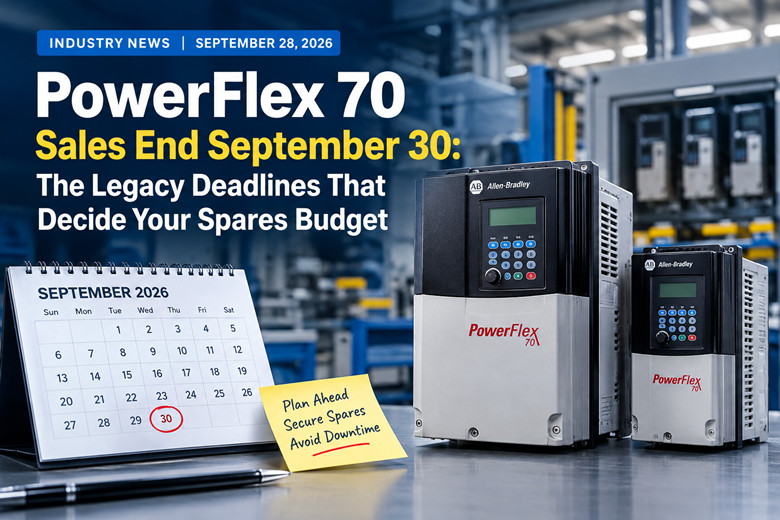
Mercredi, Rockwell Automation cessera la vente de nouveaux variateurs PowerFlex 70. Pas tous, certes, mais ceux que la plupart des usines utilisent déjà dans leurs armoires électriques. Si vous avez une ligne de production équipée d'un PowerFlex 70 et que vous n'avez pas encore prévu de solution de remplacement en cas de panne, vous devez désormais prendre cette décision dans deux jours.J'ai assisté à trois de ces transitions en quinze ans. Le schéma est immuable. Le fournisseur fait son annonce, tout le monde acquiesce, personne ne prévoit de budget, et dix-huit mois plus tard, un technicien de maintenance est au téléphone à 2 heures du matin pour tenter de trouver un appareil reconditionné auprès d'un courtier qui refuse de répondre à la question de la provenance. C'est cette facture que je m'efforce de vous éviter.Cet article n'est pas technique. Vous savez à quoi sert un disque dur. Il traite du coût du calendrier, des pièces encore disponibles et de leur date d'achat, ainsi que des articles à stocker avant l'échéance. Qu’est-ce qui prend fin exactement le 30 septembre, et qu’est-ce qui ne prend pas fin ? Lisez attentivement l'annonce, car le titre est exagéré et c'est dans les détails que se trouvent les contraintes budgétaires. La page produit PowerFlex 70 de Rockwell indique : « Rockwell Automation annonce l'arrêt de la production du variateur de fréquence PowerFlex 70, qui ne sera plus commercialisé à compter du 30 septembre 2026. Cette fin de vie et cette date d'arrêt concernent uniquement les versions IP20/NEMA UL Type 1, IP54/NEMA UL Type 12 et à bride. Les versions NEMA 4X restent disponibles. Pour faciliter votre transition, nous vous recommandons de moderniser votre installation avec la gamme de variateurs de fréquence PowerFlex 750. »Ce sont les termes employés par le vendeur, pas les miens. Deux choses y sont importantes.Tout d'abord, les versions NEMA 4X restent en statut « Actif mature ». Si vos installations lavables ou extérieures utilisent des boîtiers 4X, vous conservez un canal de vente pour le moment. Le statut « Actif mature » est différent du statut « Actif » et ne constitue pas une garantie à vie, mais il ne s'agit pas non plus d'une date d'arrêt définitive. Ne regroupez pas vos unités 4X avec le reste de votre parc lors de l'audit. Vous risqueriez de dépenser inutilement des pièces que vous pouvez commander normalement.Deuxièmement, cette restriction s'applique à des familles d'armoires spécifiques, et Rockwell invite les utilisateurs à consulter son outil de recherche de statut du cycle de vie des produits pour vérifier les numéros de catalogue individuels. Il ne s'agit pas d'une simple formalité. Une usine qui répertorie quarante plaques signalétiques PowerFlex 70 dans un tableur pourrait croire avoir quarante problèmes. En pratique, la combinaison de châssis, d'armoires et de cartes d'options fait qu'il n'y a peut-être que six ou huit numéros de catalogue distincts qui importent réellement, et certains d'entre eux ont un statut de cycle de vie différent des autres. Récupérez les numéros. Lisez-les un par un. Ne vous fiez pas au nom de la famille.L'autre moitié de ce cycle d'actualités concerne Mitsubishi Electric ; les délais sont plus longs, mais les informations sont plus précises. Deux bulletins de vente et de service, publiés en avril 2026 et révisés en août 2026, font état de difficultés d'approvisionnement en composants. Ils concernent les servomoteurs à courant alternatif de la série HF-KN (bulletin n° 26-07AE) et les servoamplificateurs à courant alternatif de la série MR-JN (bulletin n° 26-06AE).Le servomoteur HF-KN est commercialisé depuis 17 ans, soit depuis 2009. C'est une longue durée de vie pour un servomoteur, ce qui signifie qu'il est largement utilisé dans les secteurs de l'emballage, de l'agroalimentaire et des chaînes d'assemblage léger. Le bulletin prévoit une transition vers la production sur commande à compter du 31 mars 2027, la réception des commandes jusqu'au 31 mars 2028, la dernière livraison et l'arrêt de la production le 31 mars 2029, et la prise en charge des réparations et la fourniture de pièces détachées jusqu'au 31 mars 2036.Un troisième bulletin, le n° 26-09AE, concerne la carte MR-EM340GF Simple Motion et le kit de développement logiciel MELSOFT EM SW1DND-EMSDK-B. Mêmes dates. Nous reviendrons sur ce point prochainement, car la pièce de rechange est particulièrement délicate à remplacer. Le calendrier, dans l'ordre où il vous frappera Voici la séquence. Pas de tableau, juste les dates dans l'ordre de leur réception, car c'est ainsi que l'on construit un calendrier de commandes.· Le 30 septembre 2026, les ventes de PowerFlex 70 (versions IP20/NEMA UL Type 1, IP54/NEMA UL Type 12 et à bride) se terminent. Si vous avez besoin d'un nouvel appareil dans l'un de ces boîtiers, il s'agit de la dernière semaine complète de vente.· Décembre 2026 : la série d’automates programmables FX3G arrive en fin de vie, suite à une annonce de Mitsubishi en juin 2025 fixant la date limite de commande à juin 2026 et recommandant le FX5UJ comme successeur. Si vous avez manqué cette date limite, vous vous retrouvez déjà sur le marché de l’occasion pour du matériel FX3G. Ce cas est révélateur : l’annonce a été faite dix-huit mois à l’avance, la date limite de commande est passée inaperçue en juin, et la date d’arrêt de production arrive en décembre sans que personne ne s’en aperçoive.· Le 31 mars 2027, les servomoteurs HF-KN, les servoamplificateurs MR-JN, la carte de mouvement MR-EM340GF et son kit de développement logiciel (SDK) passeront à une production sur commande. Ce sera le premier véritable point critique. La production sur commande implique des délais de livraison plus longs et une production du fournisseur axée sur la demande, et non sur le stock. Si votre projet doit être mis en service fin 2027, cette date figurera sur votre chemin critique, que votre chef de projet en soit conscient ou non.· Avril 2027 : La suppression des marquages CE et UKCA s’applique aux commandes reçues à compter de cette date, pour les trois mêmes groupes de produits Mitsubishi. Il s’agit d’une échéance différente, qui fera l’objet d’une section distincte ci-dessous.· Le 31 mars 2028, les commandes pour les modèles HF-KN, MR-JN et MR-EM340GF seront clôturées. Après cette date, il ne sera plus possible de passer commande. Il s'agit de la date limite d'achat. Toute commande passée avant cette date relève de la planification. Après, vous devrez acheter directement auprès d'un fournisseur.· 31 mars 2029 : dernière livraison et fin de la production pour les modèles HF-KN, MR-JN et MR-EM340GF. Les commandes passées avant mars 2028 seront expédiées à cette date, après quoi l’usine cessera son activité.· 31 mars 2036 : fin de la prise en charge des réparations et de la fourniture de pièces pour les mêmes groupes de produits Mitsubishi. Une période de réparation de sept ans après l’arrêt de la production est prévue. C’est un délai généreux comparé à la plupart des autres gammes de transmission, et c’est l’information la plus importante de cet article pour quiconque s’inquiète d’une date de 2029.Relisez cette liste et notez ce qui manque. Rockwell a annoncé la fin des ventes du PowerFlex 70. Cependant, d'après les documents que j'ai pu consulter, Rockwell n'a pas publié de date limite pour la réparation, le support ou la disponibilité des pièces détachées pour ce même variateur. Je ne vais pas en inventer une pour eux, et vous devriez vous méfier de tout fournisseur qui vous annonce une période de réparation Rockwell que le vendeur n'a pas communiquée. L'absence de date ne signifie pas que vous avez le champ libre ; c'est simplement une absence de date. Prévoyez en conséquence. Pourquoi avril 2027 n'est pas comme les autres dates Toutes les autres dates de ce calendrier concernent les volumes : puis-je commander, la livraison est-elle assurée, la réparation est-elle possible ? Avril 2027, en revanche, est synonyme de paperasse, et c’est cette paperasse qui prend les usines européennes et britanniques au dépourvu.Les bulletins HF-KN et MR-JN indiquent tous deux, selon les termes mêmes de Mitsubishi Electric : « Le marquage CE sera retiré de la [série] car elle n’est pas conforme à la loi européenne sur la cyber-résilience (CRA). Parallèlement au retrait du marquage CE, le marquage UKCA sera également retiré. Les commandes reçues par Mitsubishi Electric à compter d’avril 2027 seront livrées sans marquage CE ni marquage UKCA. »Je rapporte ces propos tels qu'ils ont été tenus par le fournisseur. Je ne m'attarderai pas sur leur interprétation juridique, car cela concerne votre service conformité, et non un acheteur de pièces détachées un lundi matin à 6 h. Je vous exposerai plutôt les conséquences pratiques, qui relèvent de la procédure d'achat et non de la technique.Si votre usine est située dans l'UE ou au Royaume-Uni et que la documentation de vos machines fait référence à des composants marqués CE ou UKCA, une commande passée en avril 2027 pourrait arriver avec une plaque signalétique différente de celle figurant sur vos plans. Dans ce cas, il faudra en informer votre responsable qualité, votre organisme notifié (le cas échéant) et l'auditeur client en charge de l'affaire. Il est préférable d'éviter d'avoir cette conversation la semaine où vous avez besoin de la pièce.Le risque s'aggrave, et les bulletins le précisent clairement : les anciennes et les nouvelles versions peuvent être distribuées simultanément selon les stocks disponibles. Ainsi, un distributeur disposant d'anciens stocks marqués et un autre disposant de nouveaux stocks non marqués peuvent vous proposer la même référence le même jour, alors que le marquage sur la plaque peut différer. Si vous avez besoin d'un marquage spécifique, vous devez le préciser sur le bon de commande et le faire confirmer à la réception de la marchandise. Ne vous fiez pas uniquement à la référence.Pour une usine située au Moyen-Orient ou en Amérique, l'impact est moins direct, mais il demeure important si vous exportez des machines vers l'Europe ou si votre équipementier fabrique des produits conformes à la documentation européenne. Cela a également une incidence sur la valeur de revente de tout produit vendu ultérieurement dans l'UE. Identifiez le public concerné parmi les trois types d'utilisateurs avant de déterminer dans quelle mesure la date d'avril 2027 vous concerne.Le MR-EM340GF présente une difficulté supplémentaire. Mitsubishi indique que les solutions de remplacement recommandées, le logiciel de contrôle de mouvement SWM-G ou la carte de contrôle de mouvement MR-EM441G, ne sont pas compatibles avec le MR-EM340GF et présentent des spécifications différentes. C'est le langage du fabricant, et il est aussi clair que possible. Il n'existe pas de solution prête à l'emploi. Le kit de développement logiciel (SDK) de remplacement est SW1DND-EMMSDK-B, et la note technique fait référence au document Mitsubishi n° 26-21E, intitulé « Modification des étiquettes d'emballage et des plaques signalétiques suite à l'application du règlement européen sur la cyber-résilience ». Si vous utilisez un MR-EM340GF, il ne s'agit pas d'un achat courant. C'est un projet de migration qui nécessite un investissement en temps d'ingénierie et qui doit être intégré au budget d'investissement, et non au budget des consommables. Ce que cela coûte, et ce que cela ne coûte pas Permettez-moi de dissocier la peur de la facture, car les deux ne représentent pas le même montant.On craint que le 30 septembre ne signifie que votre parc de PowerFlex 70 soit abandonné et que chaque panne entraîne un arrêt de production. Or, ce n'est pas ce qu'annonce l'entreprise. L'arrêt des ventes ne signifie pas la fin du support. Rockwell cesse de vendre de nouvelles unités pour trois familles de boîtiers. Aucune date limite de réparation n'a été annoncée. Vos variateurs existants continuent de fonctionner et le parc installé est suffisamment important pour que le marché de la réparation et du reconditionnement par des tiers puisse assurer la maintenance pendant des années. pièces de rechange pour disques durs anciensLa question pratique n'est pas de savoir si les pièces existent, mais qui les possède et dans quel état elles se trouvent.Du côté de Mitsubishi, la crainte est la même, et la facture est moins élevée qu'on ne le pense. La période de réparation s'étend jusqu'au 31 mars 2036, soit sept ans après la fin de la production. La plupart des usines auront migré des HF-KN et MR-JN bien avant cela, car les lignes de remplacement existent et sont documentées : HF-KN053(B) à HK-KT053W(B), HF-KN13(B) à HK-KT13W(B), HF-KN23(B) à HK-KT23W(B), HF-KN43(B) à HK-KT43W(B), HF-KN73(B) à HK-KT7M3W(B) du côté moteur, et MR-JN-10A à MR-J5-10A, MR-JN-10A1 à MR-J5-10A, MR-JN-20A à MR-J5-20A, MR-JN-20A1 à MR-J5-20A, MR-JN-40A à MR-J5-40A du côté amplificateur. Si votre architecture utilise un MR-JN-10A1 ou un MR-JN-20A1 sur une entrée monophasée de 100 V CA, veuillez noter que Mitsubishi exige le convertisseur simple MR-CM08K1 en complément. Ce point est souvent omis lors de l'établissement des devis pour le remplacement.Les bulletins de Mitsubishi ajoutent une mise en garde importante qu'il convient de lire attentivement : les réparations pourraient s'avérer impossibles une fois les stocks de pièces épuisés. Le délai de réparation indiqué est donc un maximum, et non une garantie. Quiconque affirme que 2036 est une certitude n'a manifestement pas lu la suite.La véritable variable reste donc, et ce n'est pas le vendeur. C'est le marché secondaire.Une fois les commandes passées, chaque pièce achetée provient d'un stock existant. L'état et la provenance deviennent alors les facteurs déterminants, et ces informations ne figurent pas sur une fiche technique. Un MR-JN reconditionné, testé sur un banc d'essai de charge et dont la réparation est documentée, représente une valeur différente de celle d'une unité récupérée sur un panneau mis hors service et simplement nettoyée. Les deux peuvent être proposés au même prix. Une seule de ces unités est adaptée à une ligne critique. Pour maîtriser ce risque, il est essentiel de connaître la procédure de test de votre fournisseur avant toute situation d'urgence, de conserver les numéros de série de vos propres unités afin de pouvoir retracer celles qui reviennent de réparation, et de déterminer à l'avance quelles lignes de production peuvent tolérer une unité d'occasion et lesquelles ne le peuvent pas.Pour une plante, pièces de servomoteur L'achat de pièces détachées d'occasion sur le marché secondaire est une solution légitime et économique, à condition que le fournisseur effectue les tests, fournisse les documents et les garanties nécessaires. Dès lors qu'un fournisseur est incapable de décrire son contrôle qualité à réception, le prix n'est plus un critère pertinent. Les décisions que cela impose ce trimestre Vous avez une liste restreinte et une liste exhaustive. Traitez la liste restreinte dans les 90 prochains jours, avant que la date de mars 2027 ne commence à réduire les délais.1. Effectuez un audit complet des pièces détachées en les comparant aux unités installées. Parcourez la salle, relevez chaque plaque signalétique et notez le numéro de catalogue, le numéro de série, le type de boîtier et la date d'installation. C'est une étape souvent négligée, et pourtant c'est celle qui permet de réaliser les plus importantes économies. Vous découvrirez des disques durs sur les étagères qui appartenaient à des lignes de production mises hors service en 2019, ainsi que des lignes de production utilisant du matériel pour lequel aucune pièce de rechange n'est disponible.2. Créez une liste claire des références catalogue, une ligne par référence, en indiquant la quantité installée et la quantité en stock. Pour les PowerFlex 70, triez la liste par famille de boîtiers et vérifiez chaque référence à l'aide de l'outil de suivi du cycle de vie des produits de Rockwell, plutôt que de supposer que le statut de la famille s'applique. Pour les Mitsubishi, séparez les trois groupes : HF-KN, MR-JN et MR-EM340GF.3. Fixez une date d'achat de stock correspondant à l'échéance réelle, et non à une date angoissante. Pour Rockwell, cette date est aujourd'hui pour les unités IP20, IP54 et à brides que vous utilisez encore. Pour Mitsubishi, la date butoir pour l'acceptation des commandes est le 31 mars 2028, et le passage à la production sur commande le 31 mars 2027 marque la date à partir de laquelle les délais de livraison commencent à impacter négativement votre budget. Pour tout nouvel achat prévu, commandez avant mars 2027 ou acceptez le délai de livraison.4. Lancez le dossier de migration dans le cadre du plan d'investissement, et non pour les urgences. Ce dossier, d'une seule page, détaille le nombre d'unités, la référence de la pièce de rechange, les modifications apportées au panneau, le temps d'ingénierie estimé et les pertes que l'usine subira en cas de non-réalisation de la migration. Ce document est obligatoire pour le MR-EM340GF, car la pièce de rechange est incompatible. Pour le PowerFlex 70, Rockwell recommande la gamme PowerFlex 750 ; il s'agit donc d'une modernisation, et les modernisations sont inscrites au budget de l'année suivante, et non au budget d'urgence du mois.5. Informez votre interlocuteur qualité ou conformité du changement de marquage d'avril 2027 avant que cela n'entraîne des problèmes de réception des marchandises. Un simple échange de quinze minutes aujourd'hui peut éviter le blocage d'une livraison plus tard.Cette liste est volontairement courte. Vous n'allez pas migrer quarante disques ce trimestre, et vous ne devriez pas essayer. Vous allez recenser votre parc de disques, acheter en priorité les pièces à remplacer, et documenter le reste. Où un fournisseur de pièces détachées s'intègre Je ne vais pas prétendre qu'un fournisseur de pièces détachées résout un problème de cycle de vie. Ce n'est pas le cas. L'apport d'un bon fournisseur est plus ciblé et plus utile : il maintient en stock les quantités que vous êtes sur le point de perdre, il peut vous indiquer quelles unités ont été testées et comment, et il est disponible la semaine où vous avez réellement besoin de la pièce.Questions à poser à tout fournisseur vous proposant du matériel informatique obsolète, et ce, avant même d'en avoir besoin :Effectuent-ils des tests, et sur quels éléments ? Un test de charge sur un variateur et un test de fonctionnement sur un servomoteur sont le minimum. Demandez la procédure.Peuvent-ils retracer la provenance d'un appareil d'occasion ou remis à neuf ? S'ils ne peuvent pas décrire l'origine d'une pièce, considérez l'appareil comme étant de qualité inconnue.Disposent-ils d'un stock de sécurité pour les quantités qui vous intéressent, ou s'approvisionnent-ils sur commande ? S'approvisionner sur commande signifie que votre délai de livraison est identique au leur, ce qui correspond précisément au problème que vous cherchiez à résoudre.Confirmeront-ils le marquage sur la plaque signalétique des pièces Mitsubishi après avril 2027 ? Si vous avez besoin des certifications CE ou UKCA, c’est cette question qui distingue un fournisseur qui comprend le changement de celui qui n’a pas pris connaissance du bulletin.Pour la plupart des usines, la solution la plus réaliste est un modèle mixte. Les lignes critiques sont équipées d'unités neuves ou remises à neuf par le fournisseur. Les lignes non critiques et les pièces de rechange à faible fréquence proviennent de stocks secondaires testés. Pièces détachées pour l'automatisation En vous approvisionnant de cette manière, avec des tests documentés, vous éviterez à coup sûr une panne imprévue. Choisissez votre mix avant que le calendrier ne décide pour vous. FAQ Le 30 septembre 2026 signifie-t-il que mes disques PowerFlex 70 cessent de fonctionner ou ne sont plus pris en charge ? Non. Cela signifie que Rockwell cesse la vente de nouveaux variateurs des familles IP20/NEMA UL Type 1, IP54/NEMA UL Type 12 et à bride. Vos variateurs installés restent fonctionnels. La documentation publiée par Rockwell détaille la fin de la vente et oriente les utilisateurs vers son outil de suivi du cycle de vie des produits pour chaque référence. Rockwell ne publie aucune date limite de réparation ou d'assistance pour ce variateur ; vous ne devez donc pas vous fier à l'affirmation d'un fournisseur selon laquelle il le ferait. Mon usine utilise des groupes électrogènes NEMA 4X PowerFlex 70. Suis-je concerné ? Pas avant cette date. Rockwell indique que les versions NEMA 4X restent en statut « Actif mature ». Ce statut est différent du statut « Actif », il est donc conseillé de les surveiller, mais vous n'êtes pas concerné par l'arrêt du 30 septembre. Quelle est la date limite exacte pour acheter des moteurs HF-KN et des amplificateurs MR-JN ? Selon les bulletins de Mitsubishi, la période d'acceptation des commandes s'étend jusqu'au 31 mars 2028, et la dernière livraison ainsi que la fin de la production sont prévues pour le 31 mars 2029. La transition vers la production sur commande intervient plus tôt, le 31 mars 2027 ; par conséquent, considérez mars 2027 comme la date à partir de laquelle les délais de livraison commencent à jouer en votre défaveur. La modification du marquage CE prévue pour avril 2027 est-elle une raison d'arrêter d'utiliser ces pièces ? Cette décision relève de votre service de conformité, et non de l'acheteur des pièces. Mitsubishi Electric indique que le marquage CE sera retiré car la série n'est pas conforme à la loi européenne sur la cybersécurité (Cyber Resilience Act), que le marquage UKCA sera également retiré et que les commandes reçues à compter d'avril 2027 seront livrées sans aucun marquage. Les conséquences pour la documentation de vos machines dépendent de votre marché et des exigences de vos clients. Puis-je acheter la pièce de rechange et l'installer moi-même ? Côté moteur et amplificateur, les références de remplacement sont documentées (HF-KN vers HK-KT, MR-JN vers MR-J5), et des notes de compatibilité sont disponibles, notamment concernant le convertisseur simple MR-CM08K1 pour certaines configurations monophasées 100 V CA. Concernant le MR-EM340GF, Mitsubishi indique clairement que les pièces de rechange recommandées ne sont pas compatibles et présentent des spécifications différentes. Il s'agit d'un projet d'ingénierie, et non d'un simple remplacement de pièce. Combien de temps dois-je prévoir pour le trajet de réparation ? Les bulletins de Mitsubishi confirment la prise en charge des réparations et la fourniture de pièces détachées jusqu'au 31 mars 2036 pour les modèles HF-KN, MR-JN et MR-EM340GF, tout en précisant que les réparations pourraient s'avérer impossibles une fois les stocks de composants épuisés. Il est donc recommandé d'envisager les réparations comme une solution transitoire et non comme une stratégie permanente. La date limite de commande pour le FX3G est déjà dépassée. Qu'est-ce que cela signifie ? Cela confirme l'exactitude des informations et la véracité des dates. Mitsubishi a annoncé l'arrêt de la production du FX3G en juin 2025, fixant la date limite d'arrêt à décembre 2026 et la date limite de commande à juin 2026, le FX5UJ étant son successeur. Cette date limite est désormais passée. Si vous n'avez pas suivi l'actualité, vous achetez actuellement du matériel FX3G en stock. C'est précisément la situation que vous souhaitez éviter avec les HF-KN et MR-JN en 2028. Devrais-je acheter dès maintenant une réserve à vie de pièces détachées ? Rarement. Constituer un stock a un coût, immobilise des capitaux et peut se dégrader. Achetez la quantité que vous consommez en fonction de votre historique de pannes pendant la période de fabrication à la commande, plus une marge, et non pour toute la durée de vie de votre produit. L'exception concerne les pièces sans remplacement compatible, comme le MR-EM340GF, pour lesquelles la justification du stockage est plus forte car l'alternative serait une refonte complète.Champs SEO - Ne collez pas ce bloc sur le site webMeta TitleFin des ventes de PowerFlex 70 le 30 septembre : Dates limites pour les anciens modèlesMéta-descriptionLes ventes de Rockwell PowerFlex 70 s'arrêteront le 30 septembre 2026, et celles de Mitsubishi HF-KN et MR-JN en 2029. Dates limites, changement de marquage CE et produits à stocker dès maintenant.URL Slugpowerflex-70-ventes-fin-automatisation-héritage-échéances-2026CatégorienouvellesÉtapes de publication : 1) collez le titre et la description méta dans les champs Yoast SEO, 2) définissez l’URL, 3) choisissez la catégorie, 4) demandez l’indexation dans Search Console. Site : tztechio.com
September 28,2026

Avis de jour férié : Fête de la mi-automne et fête nationale 2026Chers clients,Nos bureaux et notre entrepôt de Xiamen seront fermés pendant deux jours fériés. vacances: Fête de la mi-automne : Du 25 au 27 septembre 2026Fête nationale : Du 1er octobre au 7 octobre 2026Nous sommes de retour au travail sur Jeudi 8 octobre 2026Du 28 septembre au 30 jours sont des jours ouvrables normaux.Ordres. Les commandes confirmées et payées avant le 30 septembre seront expédiées. avant la fermeture pour la Fête nationale, sous réserve de disponibilité. Commandes reçues Les colis sont traités dans l'ordre de leur arrivée, en commençant par les fermetures. 8 octobre. Si vous avez besoin de pièces en octobre, veuillez envoyer votre demande avant cette date. 30 septembre afin que nous puissions confirmer la disponibilité des stocks et l'expédition à temps.Soutien. Les courriels et les messages WhatsApp sont toujours reçus pendant la période de Pendant les vacances, les réponses seront plus lentes. Pour les pannes urgentes, envoyez le Numéro de pièce et détails de la panne à envoyer sur WhatsApp +86 175 5077 6091 et nous Nous reviendrons vers vous dès que nous serons rouverts. Merci de votre fidélité. Nous vous souhaitons une bonne semaine. Xiamen Zantang Technology Co., LtdTél. / WhatsApp : +86 175 5077 6091Courriel : info@tztechautomation.comtztechio.com
September 24,2026
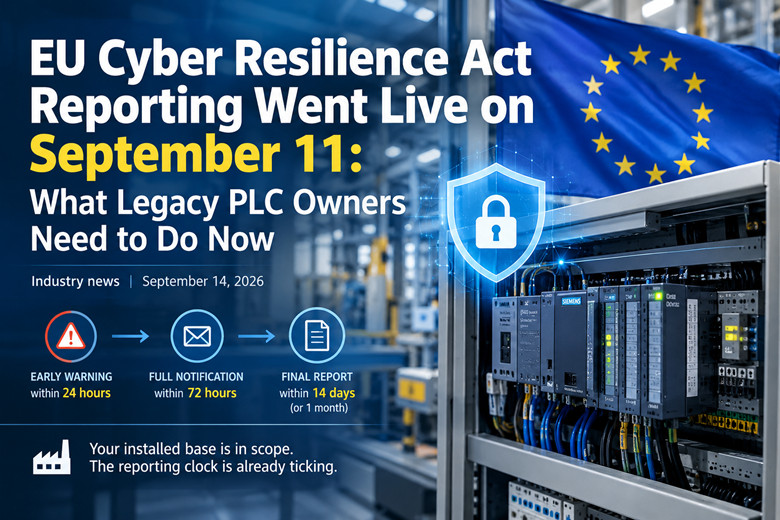
*Actualités du secteur | 14 septembre 2026*La date qui compte pour vous n'est pas le 11 décembre 2027, mais le 11 septembre 2026, il y a trois jours. Ce vendredi-là, les obligations de déclaration prévues par la réglementation européenne sur la cyber-résilience sont entrées en vigueur et concernent les équipements déjà installés dans vos armoires, et non ceux que vous pourriez acquérir l'année prochaine. Si un contrôleur, une interface homme-machine (IHM) ou un variateur de fréquence de votre usine dispose d'une connexion de données et qu'une faille de sécurité est exploitée, le fabricant a désormais 24 heures pour émettre une alerte et 72 heures pour déposer une notification complète auprès d'une plateforme européenne. Vous n'avez reçu aucun courrier à ce sujet. Votre stock de pièces détachées et votre plan d'investissement ont été établis en fonction de la date de décembre 2027, car c'est la date de référence pour le marquage CE, et elle reste valable. Simplement, ce n'est plus la date qui régit les déclarations. Ces deux dates sont désormais espacées de trois et quinze mois environ, et c'est cet intervalle qui peut entraîner des problèmes.Voici la version opérationnelle. Le reporting a commencé. Votre parc installé s'y trouve. Le chemin d'accès aux correctifs pour la majeure partie de ce parc installé est probablement introuvable. Ces trois phrases résument tout, et la suite de cet article explique comment un responsable de maintenance ou d'usine peut concrètement les exploiter. Qu'est-ce qui a changé le 11 septembre ? La loi relative à la cyber-résilience est le règlement (UE) 2024/2847. Elle est entrée en vigueur le 10 décembre 2024. L’article 71, paragraphe 2, précise le calendrier d’application de ses dispositions, qui s’échelonnent progressivement. Le chapitre IV, relatif aux organismes notifiés, est applicable depuis le 11 juin 2026. L’article 14, relatif à l’obligation de déclaration, est applicable depuis le 11 septembre 2026. Le régime de conformité principal, c’est-à-dire les exigences essentielles de l’annexe I, la documentation technique et le marquage CE, est applicable depuis le 11 décembre 2027.Vendredi dernier est entrée en vigueur l'obligation de déclaration pour les fabricants. À compter du 11 septembre 2026, tout fabricant devra signaler les vulnérabilités exploitées et les incidents graves affectant la sécurité des produits comportant des éléments numériques. Il s'agit de l'obligation de déclaration prévue à l'article 14. En clair : si un produit connecté commercialisé par le fabricant est exploité, ce dernier doit en informer les autorités compétentes sans délai.Rapide signifie mesurable. Dès qu'un fabricant a connaissance d'une vulnérabilité, il soumet une alerte précoce sous 24 heures, une notification complète sous 72 heures et un rapport final au plus tard 14 jours après la mise à disposition d'une mesure corrective pour une vulnérabilité activement exploitée, ou dans le mois suivant la notification de 72 heures pour un incident grave. Le signalement est unique et s'effectue via la plateforme de signalement unique (SRP) des CRA, mise en place par l'ENISA conformément à l'article 16 et opérationnelle depuis le 11 septembre 2026. La notification est transmise au CSIRT de l'établissement principal du fabricant et partagée avec l'ENISA et les autres CSIRT nationaux. L'ENISA a publié la liste des coordinateurs CSIRT couvrant les 27 États membres le 4 septembre 2026, ce qui indique que le dispositif a été finalisé juste avant l'échéance.Un détail important, souvent mal interprété, circule et permet de distinguer un problème de relations publiques d'un problème juridique. Le règlement délégué (UE) 2026/881 de la Commission, adopté le 11 décembre 2025, autorise une équipe CSIRT destinataire à différer la diffusion d'un rapport pour des raisons de cybersécurité. Il est essentiel de bien le lire. Ce règlement restreint l'accès au rapport, mais ne modifie pas le délai de dépôt. Rien dans ce règlement délégué ne suspend le délai de dépôt propre au fabricant. Si un fournisseur vous laisse entendre que ce délai pourrait être suspendu, rassurez-vous : il n'est pas suspendu.Il y a ensuite l'article 14(8), qui ajoute une obligation distincte d'informer les utilisateurs concernés. Si le fabricant ne le fait pas en temps voulu, les CSIRT notifiés peuvent informer eux-mêmes les utilisateurs s'ils le jugent proportionné et nécessaire. C'est un point essentiel à garder en tête lors d'une discussion relative à la garantie, car il s'agit de la réponse du règlement à la question de savoir qui, en dernier ressort, informe l'usine. Si le fabricant tarde à agir, l'autorité de régulation peut prendre des mesures. Pourquoi les équipements anciens sont-ils bloqués ? L'idée reçue que j'entends le plus souvent, et même de la part de personnes qui devraient être mieux informées, est que tout produit vendu avant décembre 2027 bénéficie d'une clause de droits acquis et n'est donc pas concerné par cette réglementation. C'est en partie vrai, et l'autre moitié, fausse, est coûteuse.L'article 69(2) prévoit une clause de droits acquis pour les produits mis sur le marché avant le 11 décembre 2027, sauf s'ils subissent une modification substantielle après cette date. Ainsi, une machine intacte, fonctionnant avec son micrologiciel d'origine et sans modification significative, est exemptée du marquage CE et des exigences essentielles de l'annexe I. Parfait. Pour une ligne non modifiée, vous ne serez pas impliqué dans un projet de mise en conformité, et personne ne vous demandera de redocumenter un panneau fabriqué en 2011.L’article 69(3) prévaut spécifiquement en matière de déclaration. L’obligation prévue à l’article 14 s’applique à tous les produits concernés comportant des éléments numériques mis sur le marché avant le 11 décembre 2027, sans limite d’âge ni exception pour les équipements anciens. Il convient de s’attarder un instant sur l’expression « sans limite d’âge ». Il n’est pas question de cinq ans, ni de dix ans, ni de « toujours pris en charge ». Il est question de tous les produits concernés mis sur le marché avant cette date.Ajoutons à cela la règle de périmètre. Les produits comportant des éléments numériques dont l'utilisation prévue ou raisonnablement prévisible inclut une connexion de données logique ou physique, directe ou indirecte, à un appareil ou un réseau, sont concernés. Votre usine utilise des produits Siemens, Rockwell, Mitsubishi et de nombreuses autres marques, principalement des automates, des IHM, des variateurs et des blocs d'E/S. Ceux qui sont connectés à un réseau Ethernet ou à un bus de terrain permettant d'accéder au réseau de l'usine, ou auxquels n'importe qui peut vraisemblablement connecter un ordinateur portable, répondent à ce critère. Des exclusions explicites, précises et limitées, existent : dispositifs médicaux, homologation de type de véhicule, produits d'aviation civile, équipements maritimes, produits développés exclusivement pour la sécurité ou la défense nationale, et pièces de rechange identiques. Un contrôleur de ligne de conditionnement n'est pas concerné.Voici ce que cela signifie pour une usine utilisant des contrôleurs et des IHM installés entre 2005 et 2020 : vous n’êtes pas la partie tenue de déclarer la vulnérabilité. C’est le fabricant. Cependant, votre équipement est soumis à cette obligation, et ce, sans limite d’âge. Un PC client léger mis en service en 2008 est tout aussi susceptible d’être victime d’une vulnérabilité exploitée qu’un appareil livré le mois dernier, en ce qui concerne l’obligation de déclaration. L’équipement présent dans votre usine n’a pas changé. Ce qui a changé, c’est que l’entreprise qui l’a fabriqué est désormais soumise à une obligation légale de déclaration.Il y a une conséquence pratique à cela, et c'est celle que je souhaite que mon équipe comprenne. Dans un système de reporting continu (24h/24), la volonté et la capacité du fabricant à connaître l'état des équipements anciens deviennent un atout en matière de conformité. Les fournisseurs qui n'ont pas accès à un système vieux de dix ans ne sont pas exemptés de leurs obligations. Ils doivent déclarer ce qu'ils savent. Or, l'information circule via leurs services d'assistance et de sécurité, et si votre usine n'est pas intégrée à ce circuit, vous serez le dernier informé. Ce qui devrait inquiéter davantage un directeur d'usine que les rapports, c'est ce qui devrait le plus préoccuper. Le signalement est une échéance qui ne vous incombe pas. La question du correctif, elle, vous concerne, et elle est plus grave.Considérons le déroulement des événements. Une vulnérabilité dans un contrôleur obsolète est activement exploitée. Le fabricant en prend connaissance et déclenche un compte à rebours de 24 heures, puis de 72 heures. Conformément à l'article 14, il est tenu de déclarer ce qu'il sait. En revanche, il n'est pas tenu de corriger la vulnérabilité. La Commission a clairement indiqué qu'un fabricant peut se trouver dans l'incapacité d'enquêter sur une vulnérabilité dans un produit ancien, notamment parce que les environnements de compilation ne peuvent être recréés, que les dépendances sont indisponibles ou que les personnes connaissant le code ont quitté l'entreprise. Dans ce cas, le fabricant doit néanmoins notifier la vulnérabilité, mais n'est pas tenu par le règlement de remplir les autres obligations, telles que la gestion des vulnérabilités. Son devoir est de signaler ce qui est connu, et non de rouvrir une version datant de dix ans.Du point de vue d'un responsable des opérations, cette phrase est lourde de conséquences. Un contrôleur non pris en charge ne recevra pas de correctif. Il est fort probable que le problème soit signalé. Il existe donc désormais une procédure bien définie : le monde entier est informé de la vulnérabilité de votre ligne de production, le fabricant remplit les documents nécessaires dans les délais impartis, et rien ne change concrètement dans votre usine. Le signalement constitue une divulgation, et non une solution.Cela transforme la période de support, d'un simple atout lors de l'achat, en une date de sécurité impérative, et modifie la répartition des risques. Conformément à l'article 13(8), le fabricant doit définir une période de support pour la gestion des vulnérabilités, d'au moins cinq ans ou la durée d'utilisation prévue si celle-ci est plus courte, à compter de la mise sur le marché du produit, et doit indiquer la date de fin de cette période au moment de l'achat, au format mois et année au minimum. Conformément à l'article 13(9), chaque mise à jour de sécurité doit rester disponible pendant au moins dix ans après sa publication, ou pour la durée restante de la période de support, la plus longue des deux prévalant. Les mises à jour de sécurité doivent être fournies gratuitement, sauf exception limitée pour les produits destinés à des entreprises sur mesure.La période de support minimale de cinq ans, imposée par la réglementation, est un seuil court. Cinq ans pour une commande passée en 2026 correspondent à 2031. Cinq ans pour une commande passée en 2019 correspondent à 2024, une date déjà dépassée. Dans cette usine, certains panneaux sont plus anciens que ceux qui les utilisent actuellement. Par conséquent, la date de fin de support indiquée, en mois et en année, est désormais ce qui ressemble le plus à une étiquette d'expiration pour un équipement de contrôle ; elle devrait figurer dans le registre des actifs, à côté du numéro de modèle, et non dans les documents marketing d'un fournisseur.L'argument de la migration découle de ce constat sans aucune intervention technique. Si la date de fin de support correspond à la date limite pour laquelle on peut espérer une correction de vulnérabilité, et que le système de signalement remonte jusqu'à avant 2027 sans limite d'ancienneté, alors cette date de fin de support constitue une date limite de sécurité. Une date limite de sécurité obsolète relève du problème d'approvisionnement. Il ne s'agit pas d'un problème informatique, car le service informatique n'achète pas le contrôleur, ne stocke pas les pièces de rechange et n'est pas responsable de la ligne de production à la fin de la période de migration. Cette ligne de production reste sous la responsabilité du responsable de la maintenance, puis, en dernier recours, sous celle du comité d'investissement. Ce que la plante doit faire Vous n'avez pas besoin de devenir responsable de la conformité pour cela. Il suffit de quatre tâches qu'un responsable peut confier à des personnes désignées, et l'une d'elles peut commencer dès cette semaine.Établissez une liste des équipements de contrôle connectés, en indiquant la date de fin de la période de support pour chaque élément. Le terme « connecté » est ici essentiel. Sont concernés tous les équipements du réseau de l'usine, ceux connectés à un bus de terrain, ainsi que tout appareil susceptible d'être utilisé par un intégrateur ou un fournisseur via son ordinateur portable. Si vous disposez déjà d'une GMAO ou d'un registre d'actifs contenant les numéros d'identification, enrichissez-le plutôt que de créer une feuille de calcul parallèle, car une seconde liste deviendra obsolète.Demandez aux fournisseurs et distributeurs la date de fin de support annoncée par écrit. Pour tout achat effectué à partir de maintenant, considérez cette date comme une spécification au même titre que le nombre d'entrées/sorties et le prix. Personne ne négocie un contrôleur sans connaître le nombre d'entrées numériques qu'il possède. Dès ce trimestre, la date de fin de support doit être abordée systématiquement, en mois et en années, et figurer par écrit sur le devis si possible. Une réponse verbale ne constitue pas une garantie de support.Intégrez les canaux de communication des fournisseurs d'automatisation aux descriptions de poste d'une personne. Pas une boîte de réception partagée que personne ne consulte, ni une adresse e-mail personnelle qui disparaît avec la personne qui part. Un rôle dédié, avec une redondance et un accès à un test de sécurité auquel les deux personnes peuvent se connecter. Les avis des fournisseurs permettent de détecter qu'une vulnérabilité est passée du stade théorique à l'exploitation active, et c'est le point de départ de tout ce qui est abordé dans cet article.Triez le matériel en fonction de ce qui peut encore être mis à jour et de ce qui ne l'est plus. Ce tri n'est pas une simple formalité de conformité, mais votre file d'attente de migration. Tout ce qui est encore sous support est ajouté à la liste de maintenance. Tout ce qui n'est plus sous support est ajouté à la liste de migration, classé par ordre décroissant du coût de la ligne lorsqu'elle est hors service. Voilà pour le tri. Vous n'avez pas besoin d'un modèle de risque pour établir cette liste ; il vous suffit des dates de support de l'étape 2 et d'une appréciation de la criticité, que vous avez déjà en tête.Intégrez le 11 décembre 2027 à votre plan d'investissement au lieu de le traiter comme une simple question informatique. C'est la date d'entrée en vigueur du régime de conformité complet, et c'est également l'échéance qui vous est annoncée depuis deux ans. C'est précisément pourquoi il est erroné de se baser uniquement sur cette date. Si votre file d'attente de migration n'est financée qu'à l'approche de 2027, vous devrez effectuer les migrations sous pression, sans aucune marge de négociation sur les délais ou les prix. Financer la file d'attente un an à l'avance est moins coûteux que de le faire au dernier trimestre 2027, et l'argument de sécurité est désormais la véritable raison d'agir, et non plus un simple slogan.Il y a un autre élément essentiel à prendre en compte par un gestionnaire : les relations, bien plus que les procédures. Pour obtenir une réponse concernant le support technique, vous devez généralement vous adresser au distributeur ou au revendeur qui vous a vendu le module, ou encore à l'intégrateur qui l'a spécifié. Ces personnes entretiennent une relation privilégiée avec le fabricant, contrairement à vous, et peuvent obtenir une réponse écrite, contrairement à une demande d'assistance générale qui resterait sans réponse. C'est pourquoi il est préférable de privilégier un nombre restreint de fournisseurs et d'entretenir des relations de support de qualité plutôt que de rechercher systématiquement le devis le moins cher. Lorsque vous avez besoin d'une date de fin de support écrite, d'une réponse concernant la documentation ou d'une allocation pour un dernier achat, vous découvrez rapidement qui souhaite réellement travailler avec vous. Calendrier Date | Ce qui s'applique11 juin 2026 | Le chapitre IV du règlement, relatif aux organismes notifiés, s’applique.11 septembre 2026 | L’article 14 s’applique aux obligations de déclaration. Les fabricants doivent signaler les vulnérabilités exploitées et les incidents graves affectant la sécurité des produits comportant des éléments numériques.Dès qu'un fabricant prend connaissance d'une vulnérabilité, le délai de signalement est le suivant : alerte précoce sous 24 heures, notification complète sous 72 heures et rapport final au plus tard 14 jours après la mise à disposition d'une mesure corrective pour une vulnérabilité activement exploitée, ou dans un délai d'un mois après la notification de 72 heures pour un incident grave.11 décembre 2027 | Le régime complet de conformité du fabricant s'applique, y compris les exigences essentielles de l'annexe I, la documentation technique et le marquage CE.Deux remarques concernant ce tableau. Premièrement, la ligne de déclaration au milieu ne concerne pas un événement ponctuel. Il s'agit d'une obligation permanente qui se déclenche chaque fois qu'un fabricant a connaissance d'une vulnérabilité exploitée ou d'un incident grave. C'est pourquoi c'est le délai, et non la date, qu'il faut retenir. Deuxièmement, les deux lignes datées ne correspondent pas au même projet. La ligne de septembre 2026 concerne la divulgation et est déjà en cours. La ligne de décembre 2027 concerne la conformité et doit être prise en compte dans votre plan d'investissement. Pénalités, brièvement L’article 64 fixe le montant des sanctions. En cas de non-respect des exigences essentielles de l’annexe I ou des obligations prévues aux articles 13 et 14, les amendes administratives peuvent atteindre 15 millions d’euros ou, pour une entreprise, 2,5 % de son chiffre d’affaires annuel mondial total de l’exercice précédent, le montant le plus élevé étant retenu. Les autres obligations sont passibles d’amendes allant jusqu’à 10 millions d’euros ou 2 %. La communication d’informations inexactes, incomplètes ou trompeuses aux organismes notifiés ou aux autorités de surveillance du marché est passible d’une amende pouvant atteindre 5 millions d’euros ou 1 %. Les États membres fixent leurs propres règles en matière de sanctions ; leur application concrète varie donc d’un pays à l’autre.C'est le risque supporté par le fabricant. Il ne l'est pas par vous, et je ne m'avancerais pas à chiffrer son coût pour une usine, car il n'existe pas. En revanche, il explique certains comportements. Un fournisseur risquant une amende de 15 millions d'euros, soit 2,5 % de son chiffre d'affaires, a tout intérêt à mettre en place un processus de gestion des vulnérabilités efficace : canaux de signalement, tri, et la possibilité de répondre sous 24 heures. Il a également tout intérêt à être vigilant quant à la documentation qu'il écrit. Attendez-vous à ce que les demandes de documentation concernant la durée de vie du support, la disponibilité des mises à jour et l'état des problèmes connus se durcissent au cours des dix-huit prochains mois, et à ce qu'une réponse verbale vague soit remplacée par une réponse écrite standardisée. Globalement, c'est une bonne chose pour l'acheteur, car un fabricant contraint de mesurer un élément a tendance à le maîtriser. Le rôle de l'acheteur est de poser la question de manière à obtenir une réponse datée plutôt qu'une simple brochure.Je ne tirerais pas de conclusions hâtives de ces chiffres concernant les amendes. Personne n'est verbalisé aujourd'hui, et je n'ai pas connaissance d'une vague de contrôles avant le début du régime de conformité en 2027. L'intérêt actuel réside dans le fait que la date de septembre est désormais effective et que cela incite à fournir davantage d'informations sur sa propre installation.L'angle des pièces de rechangeLes pièces de rechange identiques sont exclues du champ d'application de la réglementation. Cette exclusion est réelle et spécifique, et elle concerne les produits vendus par un fournisseur de pièces. Si vous achetez un module de remplacement identique pour l'installer dans une armoire qui en est déjà équipée, la pièce de rechange elle-même n'est pas considérée comme un produit contenant des éléments numériques au sens de cette réglementation.N'interprétez pas cela comme une réponse de conformité, car le contrôleur dans lequel ces pièces sont intégrées n'est pas exclu. L'exclusion concerne la pièce détachée, et non le dispositif qui la contient. Une usine ne peut pas réduire son exposition en achetant un module identique supplémentaire. Si ce contrôleur fait l'objet d'un rapport suite à l'exploitation active d'une vulnérabilité, l'exclusion de la pièce détachée ne vous sera d'aucune utilité.La véritable solution tient en deux points : soit une période de support suffisamment longue pour vous éviter tout problème, soit un plan de migration assorti d'une date butoir. Il n'existe pas de troisième option impliquant un bon de commande et un stockage temporaire.Cela dit, la gestion des pièces de rechange et la migration ne sont pas incompatibles, et un responsable ne devrait pas les considérer comme telles. L'objectif principal est de maintenir les systèmes critiques en fonctionnement pendant la migration, et une ligne de production hors support nécessite généralement des pièces de rechange en stock précisément parce qu'elle ne peut être corrigée. Il faut analyser la situation du point de vue des opérations. Si un contrôleur arrive en fin de support, aucune mise à jour du firmware n'est prévue ; par conséquent, une panne de ce contrôleur constitue un incident matériel auquel il faut répondre par du matériel. La migration peut être prévue dans dix-huit mois dans le plan d'investissement, et la ligne de production doit continuer à fonctionner à chaque quart de travail d'ici là. Cela signifie que la question du dernier achat, du niveau de stock et de la source d'approvisionnement pour ce contrôleur devient plus importante, et non moins, pendant la période entre la date limite de sécurité et la date de migration. Avoir une pièce de rechange en stock ne corrige pas la vulnérabilité. Cela permet de survivre à l'exposition suffisamment longtemps pour migrer hors de celle-ci, ce qui est une démarche différente et légitime.Il existe une autre raison de maintenir un approvisionnement régulier en pièces détachées, et elle n'a rien à voir avec la réglementation. Un programme de migration prend des années à mettre en œuvre dans une usine, quelle que soit sa taille. Pendant ce temps, les lignes de production existantes tombent en panne, comme toujours, au pire moment, sur le quart de travail le moins bien couvert. L'usine qui dispose d'un approvisionnement en pièces détachées documenté et d'un stock suffisant peut mener à bien sa migration sans que ces deux problèmes ne se conjuguent. Liste de contrôle de cette semaine 1. Commencez la liste des équipements connectés. Relevez les numéros d'identification, le fabricant, le modèle et une année d'installation approximative pour chaque contrôleur, IHM, variateur et bloc d'E/S connecté au réseau de l'usine. Désignez un responsable et fixez une date pour la première étape. La colonne « Date de fin de support » peut rester vide pour le moment.2. Envoyez une demande écrite concernant la période de support aux cinq principaux fournisseurs ou distributeurs (en fonction du nombre de produits installés). Demandez par écrit la date de fin de la période de support pour chaque gamme de produits, en mois et en année. Notez la date de votre demande et prévoyez un suivi.3. Désignez la personne responsable des avis de sécurité des fournisseurs, ainsi que son remplaçant. Assurez-vous que ces deux personnes ont bien accès aux canaux de vos principales marques d'automatisation. Dans le cas contraire, configurez les abonnements cette semaine.4. Désormais, la date de fin de support doit être considérée comme une spécification lors des nouveaux achats, au même titre que le nombre d'E/S et le prix. Intégrez-la au modèle de demande standard afin qu'elle ne soit plus facultative.5. Effectuez un premier tri : marquez comme « maintenir » tout ce qui se trouve dans sa période de support, et comme « migrer » tout ce qui n’en est pas, puis classez les éléments à migrer en fonction du coût d’arrêt de la ligne. Vous disposez ainsi d’une file d’attente de migration justifiée par des critères de sécurité.6. Inscrivez le 11 décembre 2027 dans le plan d'investissement comme une ligne budgétaire datée, assortie d'un numéro, et non comme une simple note. Le régime de conformité débute à cette date et c'est cette échéance qui finance votre file d'attente de migration.7. Notez la date de septembre 2026 dans votre journal des risques ou votre analyse d'installations. Les rapports sont générés en temps réel, sans limite d'ancienneté, et c'est pourquoi les dates de fin de support sont désormais considérées comme des dates de sécurité.Il ne s'agit pas de paperasserie gratuite. Ce sont les mêmes informations qu'un responsable de la maintenance souhaiterait obtenir de toute façon : la nature de l'équipement, la durée de sa maintenance, son coût d'exploitation et sa date de remplacement. La réglementation se contente d'ajouter des dates.Pour identifier rapidement les composants encore fonctionnels et ceux à migrer, consultez les pages dédiées aux automates programmables et variateurs sur tztechio.com/plc et tztechio.com/industrial-automation. Vous y trouverez facilement des informations sur la disponibilité des pièces par rapport à votre inventaire. Les pages des marques Siemens et Allen-Bradley couvrent la plupart des composants d'un panneau de commande européen existant. Commencez par votre inventaire : le reste en découle.--------------------------------------------------------------------------------------------🏢 À propos de TZ Tech TZ Tech est un fournisseur de premier plan de composants pour l'automatisation industrielle, l'électricité, l'instrumentation et les télécommunications. Nous nous spécialisons dans l'approvisionnement en stock de distributeurs prêts à expédier, ce qui nous permet d'offrir des prix très compétitifs et des délais de livraison courts. Grâce à notre vaste inventaire, nous pouvons même nous procurer des pièces rares et obsolètes, difficiles à trouver ailleurs. 🛡️ Notre engagement qualité Nous savons que la qualité est votre priorité absolue. Chaque composant est soumis à un processus de sélection et d'inspection rigoureux afin que vous puissiez acheter en toute confiance. Pour les pièces anciennes ou obsolètes, nous privilégions la transparence et vous fournirons toujours un rapport honnête et précis sur l'état du produit. De plus, toutes nos pièces neuves sont couvertes par une garantie complète d'un an. ✉️ Contactez-nous Vous avez un projet ou besoin d'une pièce détachée ? Envoyez-nous votre demande dès aujourd'hui ! Notre équipe s'engage à vous répondre rapidement, sous 6 heures (hors week-end)..
September 14,2026
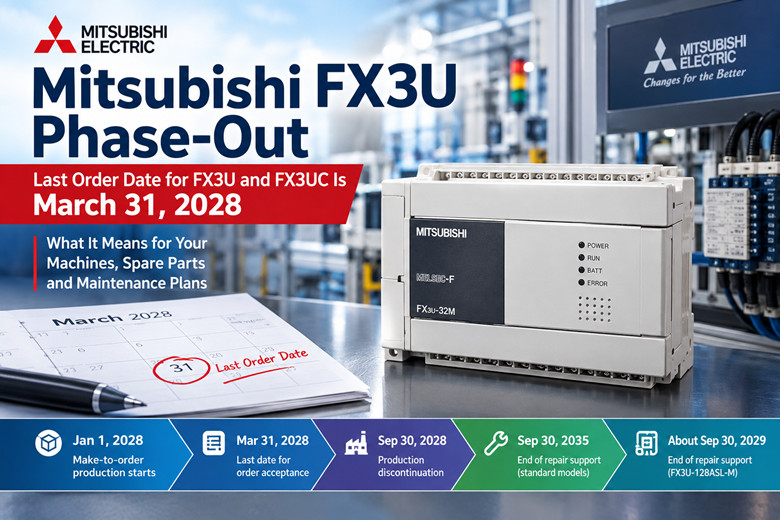
*Actualités du secteur | 7 septembre 2026*Mitsubishi Electric a annoncé la fin de la production du MELSEC-F FX3U, le micro-automate programmable qui équipe une grande partie des petites machines du monde depuis son lancement en 2004. Dans le bulletin technique FAM-A-0116-B, « Arrêt de la production des modèles et extensions MELSEC-F FX3U/FX3UC », publié en avril 2026 et mis à jour en version B en mai 2026, Mitsubishi détaille le processus d'arrêt : la production sur commande débutera le 1er janvier 2028, la réception des commandes sera clôturée le 31 mars 2028, la production s'arrêtera le 30 septembre 2028 et le support technique sera assuré jusqu'au 30 septembre 2035. Le bulletin technique officiel au format PDF est disponible sur la page d'actualités techniques de Mitsubishi.Le calendrier de fin de vie des automates programmables industriels (API) revêt une importance capitale, bien au-delà des annonces habituelles de fin de vie dans ce secteur. Le FX3U n'est pas un automate de niche. Depuis 2004, il est le système de référence des lignes de conditionnement, des étiqueteuses, des petites unités de traitement des eaux, des panneaux de contrôle CVC, des commandes de vannes et de portes, ainsi que des machines OEM exportées vers tous les marchés mondiaux. Il est devenu le fleuron de la gamme MELSEC-F micro. Lorsqu'une plateforme aussi largement installée atteint sa date limite de commande, l'information dépasse le cadre du catalogue Mitsubishi et influence la stratégie de gestion des pièces détachées de chaque usine qui l'utilise encore.Résumé pratique pour les acheteurs et les techniciens de maintenance : les commandes sur catalogue des produits FX3U et FX3UC restent possibles jusqu’en 2027. À compter du 1er janvier 2028, Mitsubishi ne fabriquera ces modèles que sur commande, et la date limite pour passer une nouvelle commande est le 31 mars 2028. Les unités commandées durant cette période seront produites dans les mois suivants, et la production s’arrêtera le 30 septembre 2028. Le support technique sera ensuite assuré pendant sept ans, jusqu’au 30 septembre 2035, à une exception près : le FX3U-128ASL-M, développé en collaboration avec Anywire Corporation, ne bénéficiera que d’un an de support technique après l’arrêt de sa production. Pourquoi l'arrêt de la production du FX3U est un événement plus important qu'un simple avis de fin de vie La raison invoquée par Mitsubishi est celle qui cause la disparition de la plupart des appareils électroniques à longue durée de vie : la rupture de la chaîne d’approvisionnement. Le bulletin indique que les pièces détachées pour les modèles concernés ont été retirées du marché les unes après les autres, rendant la production difficile à maintenir, et que les manuels d’utilisation de ces modèles ne seront plus disponibles non plus.L'annonce du FX3U constitue la dernière étape d'une réduction plus large du matériel MELSEC existant. Jusqu'en 2026, Mitsubishi a fixé au 30 septembre 2026 la date limite de commande pour les processeurs Universal Q haute vitesse (bulletin FA-A-0418-A) et a transféré la série MELSEC-L en production à la commande (bulletin FA-A-0466-A). La tendance est claire : Mitsubishi concentre le développement et la production sur les plateformes actuelles, principalement la série MELSEC iQ-F (FX5) pour les petites machines, attribuant ainsi à chaque famille existante une fin de vie définie et publiée plutôt qu'une disponibilité indéfinie.Rien de tout cela ne rend le contrôleur FX3U mauvais ni les machines existantes obsolètes l'année prochaine. Cela limite simplement les nouvelles livraisons, et la période pour acheter de nouvelles unités et constituer des stocks de pièces détachées pour les machines qui fonctionneront jusqu'en 2030 est limitée et publique. Pour tous ceux qui assurent la maintenance d'équipements FX3U, il est temps de planifier dès maintenant. Aperçu du calendrier de retrait progressif Étape importante | Date | Signification concrèteLa production sur commande débute le 1er janvier 2028. Mitsubishi cesse la production en stock des FX3U/FX3UC et des produits d'extension associés. Les commandes restent acceptées, mais la production se fera uniquement sur commande.Date limite de commande | 31 mars 2028 | Dernier jour où Mitsubishi acceptera les nouvelles commandes pour les modèles concernés. Après cette date, aucune nouvelle commande ne pourra être passée par les voies habituelles.Arrêt de la production | 30 septembre 2028 | Fin de la fabrication. Les commandes passées avant le 31 mars sont produites dans les mois suivants ; après cette date, il n’y a plus aucune nouvelle production.Fin du support technique pour les modèles standard | 30 septembre 2035 | Sept ans après l'arrêt de la production. Les demandes de réparation sont traitées pendant cette période, sous réserve de la disponibilité des pièces détachées.Fin du support de réparation, FX3U-128ASL-M | Vers le 30 septembre 2029 | Le module maître AS-Link co-développé avec Anywire Corporation bénéficie d'environ un an de support de réparation après l'arrêt de la production, soit environ six ans de moins que le reste de la famille.Les calculs effectués à partir de la date de cet article rendent l'urgence concrète. Au 7 septembre 2026, il reste environ dix-neuf mois pour la prise de commandes : une quinzaine de mois de commandes par catalogue jusqu'à fin 2027, suivis d'une période de trois mois pour les commandes à la demande, du 1er janvier au 31 mars 2028. Les commandes passées avant le 31 mars seront fabriquées dans les six mois compris entre la date limite de commande et l'arrêt de la production, le 30 septembre.Pour la planification des réparations, le même calcul donne un délai de réparation de neuf ans à compter d'aujourd'hui pour les modèles standard, jusqu'au 30 septembre 2035. Le FX3U-128ASL-M fait exception, son support prenant fin aux alentours du 30 septembre 2029, soit dans environ trois ans ; tout site utilisant ce module devrait le considérer comme la première pièce à vérifier lors d'un examen des pièces détachées. La réponse précise à la question « quand le FX3U sera-t-il abandonné ? » : la prise de commandes se termine le 31 mars 2028 et la nouvelle production s'arrête le 30 septembre 2028 ; après cette date, la production sera assurée par les stocks existants et le service de réparation. Quels modèles FX3U et FX3UC sont concernés ? Le bulletin couvre un large éventail de sujets, témoignant de l'étendue de l'écosystème FX3U. Il aborde les unités centrales FX3U et leurs différentes alimentations, les unités centrales FX3UC à connecteurs, les modules d'extension FX2N, FX3U et FX3UC qui se connectaient à ces unités, les accessoires de programmation et de communication, ainsi que les cassettes mémoire utilisées par de nombreux sites pour le stockage des programmes. Unités principales FX3U Mitsubishi regroupe les unités principales FX3U concernées par type d'alimentation ; les exemples de numéros de modèle ci-dessous proviennent de son propre guide de remplacement.Groupe concerné | Types de suffixes couverts | Exemples de modèles cités dans le bulletinUnités principales FX3U alimentées en courant alternatif | /Types ES | FX3U-32MR/ES, FX3U-64MT/ES, FX3U-80MR/ESUnités principales FX3U alimentées en courant continu | Types /DS et /DSS | Couvertes par les listes de modèles du bulletinTypes FX3U UA1 | Variantes UA1 | Modèles couverts par les listes du bulletinLa famille /ES alimentée en courant alternatif est celle que la plupart des lecteurs reconnaîtront, car elle représente la majorité des machines FX3U raccordées au réseau électrique. Les variantes /DS et /DSS alimentées en courant continu concernent les installations alimentant le contrôleur via un bus 24 V CC, et les modèles UA1 sont des variantes de tension supplémentaires commercialisées par Mitsubishi sur certains marchés ; toutes sont concernées par l’arrêt de production.Les modèles présentés en exemple illustrent la gamme concernée. Le FX3U-32MR/ES est l'unité principale à 32 sorties relais, devenue le contrôleur standard pour les petites machines ; le FX3U-64MT/ES est son équivalent à 64 sorties transistor pour les applications à haute vitesse ; et le FX3U-80MR/ES montre que le bulletin s'étend aux unités principales de plus grande taille. Le choix de ces trois modèles comme exemples concrets indique que l'arrêt progressif concerne la majeure partie de la gamme, et non seulement les modèles marginaux. Unités principales FX3UC Le FX3UC est la version compacte à connecteurs de la gamme, conçue pour les machines où l'espace est restreint et où le câblage par connecteurs remplace les bornes à vis. Ce bulletin couvre les unités principales FX3UC alimentées en courant continu, toutes tailles de points et variantes de suffixe confondues.Groupe concerné | Tailles de points | Types de suffixes couverts | Exemple de modèle cité dans le bulletinUnités principales FX3UC alimentées en courant continu | 16, 32, 64 et 96 points | Types /D, /DS-T, /DSS et /DS-TS | FX3UC-64MT/DLes machines FX3UC sont courantes dans les équipements OEM compacts, où le format du connecteur facilite un câblage propre et un remplacement rapide. L'exemple du FX3UC-64MT/D sert de référence pour le guide de remplacement : Mitsubishi l'adapte directement au FX5UC-64MT/D, préservant ainsi le format du connecteur lors de la migration. Rallonges, câbles, convertisseurs et cassettes mémoire La liste des éléments concernés ne se limite pas aux unités principales. Le système FX3U s'étant développé par extension, le bulletin couvre le matériel d'extension présent dans de nombreuses installations et s'étend jusqu'au catalogue FX2N : les installations FX3U combinent fréquemment des unités d'extension FX2N et des unités principales FX3U sur le même rail DIN, ce qui explique pourquoi la liste des extensions inclut, entre autres, les unités d'E/S FX2N de classe 32 points.Catégorie d'équipement | Éléments concernés | RemarquesModules d'extension d'E/S et modèles d'extension | Modules d'extension d'E/S FX2N, FX3U et FX3UC | Inclut les modules d'E/S FX2N de classe 32 points ; couvre les modules utilisés pour étendre les systèmes au-delà des E/S intégrées de l'unité principaleCâbles de programmation et de communication | FX-422CAB-150 et câbles associés | Gamme de câbles permettant de connecter les PC et les outils de programmation aux automates programmables de la série FXConvertisseurs de signaux | FX-USB-AW | Convertisseur de signaux USB utilisé dans les configurations de programmation et de diagnostic PC-PLCCassettes mémoire | FX3U-FLROM-64L et FX3U-FLROM-1M | Mitsubishi ne propose aucun modèle alternatif pour ces cassettes.Le problème des cassettes mémoire mérite une attention particulière. Les FX3U-FLROM-64L et FX3U-FLROM-1M sont des cassettes de mémoire flash qui s'insèrent dans les unités principales FX3U pour le stockage des programmes et l'utilisation de la ROM. La note technique précise qu'il n'existe aucun modèle alternatif, une affirmation plus catégorique qu'une simple note de remplacement. Les sites qui utilisent des cassettes pour la sauvegarde de leurs programmes ou qui exécutent des programmes en mode ROM auront besoin d'une solution technique plutôt que d'une solution commerciale, car aucun successeur direct n'est prévu.Pour les équipes de maintenance, la conséquence pratique est simple. Le câble FX-422CAB-150 et le convertisseur FX-USB-AW sont les outils de prédilection d'un technicien lorsqu'un ordinateur portable doit communiquer avec un FX3U pour la programmation ou le diagnostic. Dès lors que ces composants ne figurent plus dans le catalogue, le cycle de maintenance quotidien s'en trouve bouleversé. Il est donc essentiel de commander les pièces détachées nécessaires avant la date limite ; cette dernière s'applique aussi bien aux câbles et aux convertisseurs qu'aux processeurs. Remplacement du FX5U : la voie de migration recommandée par le bulletin Mitsubishi recommande la gamme MELSEC iQ-F (FX5U, FX5UJ et FX5UC) comme alternative, une recommandation constante depuis des années. La gamme iQ-F est présentée comme la plateforme de remplacement pour les petites machines et migre vers le logiciel GX Works3, remplaçant ainsi l'environnement GX Works2 utilisé par les utilisateurs de FX3U. Les exemples de configuration ci-dessous constituent le guide le plus utile de cette note technique pour les ingénieurs préparant cette migration.Modèle FX3U existant | Remplacement direct du FX5 | Configuration alternative dans le bulletin techniqueFX3U-32MR/ES | FX5U-32MR/ES | FX5UJ-40MR/ESFX3U-64MT/ES | FX5U-64MT/ES | FX5UJ-60MT/ES plus FX5-8EYT/ESFX3U-80MR/ES | FX5U-80MR/ES | Non listéFX3UC-64MT/D | FX5UC-64MT/D | Non listéVariantes de sortie à triac à puits /MS | Unités à transistors /MT avec cartes d'adaptation de relais externes | Adaptateur de relais FA-TH16YSR20S, avec accessoires FA-CBL10(Y)M20 dans certaines configurationsLisez le tableau comme le ferait un ingénieur concepteur. Les migrations les plus simples sont les migrations directes : un FX3U-32MR/ES devient un FX5U-32MR/ES avec le même nombre de points, le même type de sortie relais et la même forme de référence. Les alternatives FX5UJ constituent la solution économique : le FX5UJ est le modèle d'entrée de gamme compact et abordable de la gamme iQ-F. La fiche technique indique qu'un FX5UJ-40MR/ES à 40 points peut remplacer un FX3U à 32 points. Pour une configuration à 64 points, un FX5UJ-60MT/ES à 60 points est associé à une extension FX5-8EYT/ES à 8 points afin d'atteindre le nombre d'E/S requis.Le mappage /MS est celui qui surprend. Les variantes de sortie à triac à puits /MS étaient utilisées lorsque les sorties devaient commuter des charges CA sans usure des relais. Dans l'environnement iQ-F, la note technique oriente ces applications vers des unités de sortie à transistor /MT, associées à un adaptateur de relais externe, notamment la carte d'adaptation FA-TH16YSR20S avec les accessoires FA-CBL10(Y)M20 dans certains mappages. En clair, la fonction de commutation CA est désormais assurée par une carte de relais externe pilotée par des sorties à transistor standard, et la mise en œuvre de ce changement implique de vérifier les courants de charge, la fréquence de commutation et l'encombrement, car la carte externe occupe un espace auparavant libéré par les anciennes sorties à triac.Trois réalités techniques sous-tendent chaque ligne du tableau de correspondance. Premièrement, la plateforme iQ-F est programmée dans GX Works 3, et non dans GX Works 2 ; les programmes écrits pour le FX3U ne se chargent pas tels quels dans un FX5, et ceux qui s'appuient sur des modules spécifiques au FX3U ou sur une ROM à cassette nécessitent d'importantes modifications. Deuxièmement, la famille FX5U offre des fonctionnalités inédites pour le FX3U, notamment l'Ethernet intégré sur les unités principales. Troisièmement, le FX5UC conserve le format à connecteurs pour les utilisateurs du FX3UC, garantissant ainsi la continuité du montage même lorsque le programme évolue. Pour un acheteur de composants d'automates Mitsubishi, la migration est un projet doté d'un budget d'ingénierie, et non une simple commande de remplacement ; c'est pourquoi il est crucial de commencer avant l'échéance de 2028. Quelles conséquences l'abandon progressif du FX3U aura-t-il pour les centrales utilisant ce moteur aujourd'hui ? Le parc installé de FX3U ne disparaîtra pas en 2028. Les machines équipées de contrôleurs FX3U continueront de fonctionner pendant une décennie, voire plus, après l'arrêt de la production, car les automates programmables sont mis hors service en même temps que les machines, et non lors du renouvellement du catalogue. Ce bulletin modifie l'offre de ces machines.Considérons le calendrier du point de vue de l'atelier. Une machine achetée neuve en 2026 a une période de maintenance et de support technique jusqu'au 30 septembre 2035, soit environ neuf ans à partir d'aujourd'hui. Une machine plus ancienne a la même période de maintenance et de support. Le goulot d'étranglement n'est pas la durée de la maintenance, mais l'approvisionnement en nouvelles unités. Après le 31 mars 2028, les seules sources d'unités FX3U neuves sont les stocks invendus des distributeurs. Après le 30 septembre 2028, les seules sources de matériel FX3U sont les anciens stocks, le marché de l'occasion et le service de réparation. Aucune de ces solutions ne permet de pallier une panne de processeur en 2030, sans pièces de rechange disponibles.C’est le piège qui guette les non-préparés. Le FX3U ne tombera pas en panne d’un seul coup en 2028 ; les pannes se feront progressivement, machine par machine, tout au long des années 2030 : une alimentation après une surtension, un module de sortie suite à un court-circuit d’actionneur, un processeur après des années de cycles thermiques. Chaque panne est facile à réparer tant que les pièces détachées sont disponibles, mais pose un problème de planification lorsqu’elles ne le sont pas. La mise hors service progressive transforme une simple question d’approvisionnement en pièces de rechange en une période d’approvisionnement limitée, qui prendra fin le 31 mars 2028.Pour les constructeurs, les enjeux sont différents, mais tout aussi réels. Tout constructeur qui conçoit encore de nouvelles machines autour du FX3U en 2026 et 2027 s'engage sur une plateforme dont le carnet de commandes sera fermé dans moins de deux ans. Un programme de production lancé en 2027, prévu sur cinq ans, nécessitera du matériel FX3U jusqu'en 2032, soit quatre ans après l'arrêt de sa fabrication par Mitsubishi. Ce calcul implique soit un achat important de pièces détachées en amont, soit un changement de plateforme en cours de production, l'option la plus coûteuse. Ce bulletin constitue de fait un ordre de gel des conceptions pour les constructeurs : les nouveaux modèles de machines doivent être conçus sur la ligne iQ-F avant la fermeture du calendrier, tandis que les produits existants basés sur le FX3U doivent disposer d'un plan de dernier réapprovisionnement documenté. Continuer ou migrer : analyser la machine de décision machine par machine La mise hors service progressive n'impose pas de réponse unique ; elle impose une décision, machine par machine. Le maintien en service est justifié pour les équipements en bon état mécanique et loin de la fin de leur durée de vie : ils nécessitent un plan de pièces de rechange, et non un nouveau contrôleur. La migration est justifiée pour les machines déjà éligibles à une modernisation, nécessitant une nouvelle connectivité ou dont les besoins dépassent les capacités du FX3U.Factor | Lean continue de fonctionner | Lean migre vers FX5Durée de vie restante de la machine | Cinq ans ou plus de bon fonctionnement mécanique | Machine proche de la modernisation ou du remplacementPosition sur les pièces détachées | Accès direct au stock de processeurs, d'E/S et d'accessoires avant le 31 mars 2028 | Aucun budget ni intérêt pour un dernier achat de stockComplexité du programme | Schéma simple, bien documenté, facilement reproductible en cas de perte | Utilisation intensive de modules, cassettes ou matériel AS-Link spécifiques au FX3UBesoins en connectivité | Machine autonome, les communications actuelles suffisent | L'usine exige désormais une connexion Ethernet, la collecte de données ou un accès à distanceRessources d'ingénierie | Aucune expérience interne avec GX Works3 ni budget de migration | Personnel prêt à migrer vers GX Works3 et à revalider les programmesUtilisation de la cassette FLROM | Aucune, ou programme stocké uniquement sous forme de sauvegarde de fichier | Le fonctionnement sur cassette ROM fait partie intégrante de la conception et il n'existe aucune alternative à la cassette.L'intérêt économique du maintien en service mérite d'être examiné attentivement. Stocker un processeur de rechange, un module d'E/S de rechange et les accessoires nécessaires à une machine est peu coûteux comparé à une migration, qui implique du temps d'ingénierie, la conversion du programme, la revalidation, le recâblage du panneau, la mise à jour de la documentation et le risque de problèmes de démarrage sur une machine qui fonctionnait parfaitement auparavant. Pour une machine en bon état de fonctionnement et aux exigences de contrôle simples, l'achat de pièces détachées de dernière minute est souvent la solution la plus économique et la moins risquée. Le hic ? Cette option a une date limite : le 31 mars 2028.La migration s'avère avantageuse lorsque la machine est déjà éligible à une modernisation. Si l'usine prévoit de toute façon une refonte du panneau, le remplacement d'une dernière FX3U par une FX5U engendre un surcoût minime et permet de repartir à zéro : la plateforme FX5 est à jour, sa production n'est pas menacée et son cycle de vie en maintenance est renouvelé. La migration est également gagnante en termes de fonctionnalités, car les unités principales FX5U intègrent l'Ethernet et Mitsubishi concentre ses efforts de développement sur la gamme iQ-F. Une usine qui standardise ses opérations sur iQ-F bénéficie ainsi d'un environnement d'ingénierie unique, GX Works3, au lieu de maintenir les compétences GX Works2 uniquement pour un parc vieillissant.La mauvaise solution consiste à ne rien faire jusqu'en 2028 et à laisser le calendrier décider. Une usine qui attend janvier 2028 pour lancer un audit passera ses dernières commandes au cours du même trimestre où elle tentera d'évaluer les migrations, alors que son carnet de commandes se resserrera et qu'elle n'aura plus le temps pour une seconde phase d'achat. Chaque machine du parc doit porter une étiquette indiquant clairement s'il faut la maintenir en service ou la migrer, avec une date précise, avant le début de la période de production à la commande. La réalité de la réparation : une période de sept ans avec des limites Le support technique de Mitsubishi est assuré jusqu'au 30 septembre 2035 pour les modèles FX3U et FX3UC standard, soit sept ans après l'arrêt de leur production. Cet engagement explique pourquoi l'arrêt de production ne se traduit pas par une obsolescence immédiate. Cependant, cette période de support technique ne garantit pas la réparation immédiate de chaque carte défectueuse. Les réparations dépendent de la disponibilité des pièces détachées, et la justification même du bulletin – l'arrêt progressif des composants – constitue la contrainte qui régit également le service de réparation. Au fil des ans, les réparations des modules les plus anciens deviendront plus lentes et moins fiables ; il est donc important d'en tenir compte dans le calcul des besoins en pièces détachées plutôt que de supposer une couverture sans faille pendant sept ans.L'exception concernant le FX3U-128ASL-M est le détail le plus important et le plus facile à négliger dans ce bulletin. Ce module, une unité maître AS-Link développée conjointement avec Anywire Corporation, ne bénéficie que d'un an environ de support technique après l'arrêt de sa production, soit jusqu'aux alentours du 30 septembre 2029. Un produit développé en collaboration dépend des engagements d'approvisionnement et de service du partenaire, qui ne sont pas liés au matériel Mitsubishi. Tout site utilisant des modules FX3U-128ASL-M doit les considérer comme la pièce de rechange prioritaire lors de l'audit : une pièce de rechange achetée avant la date limite coûte bien moins cher qu'une panne de l'unité maître en 2031, sans possibilité de réparation ni de remplacement immédiat.Il y a aussi un aspect documentaire. Le bulletin indique que les manuels des modèles concernés ne seront plus disponibles. Il est donc conseillé de télécharger et d'archiver les guides de câblage, les références de programmation et la documentation des modules à fonctions spéciales avant leur suppression des serveurs de documentation de Mitsubishi. Ces manuels archivés constituent une protection peu coûteuse et représentent le seul document, dans le cadre de cette transition, qui ne périme pas si vous les téléchargez dès maintenant. Que faire cette semaine Ce bulletin encourage la prise de décision rapide, et la plupart des actions sont peu coûteuses aujourd'hui. Voici une liste de contrôle pratique pour toute usine ou tout équipementier utilisant du matériel FX3U ou FX3UC :1. Extrayez la liste du parc installé. Comptez chaque CPU FX3U et FX3UC, notez le modèle exact et le suffixe (qui détermine l'alimentation CA ou CC, le type de sortie et le nombre de points), et signalez les machines avec des unités d'extension FX2N, des cassettes FLROM ou un FX3U-128ASL-M.2. Vérifiez que vos modèles sont conformes au bulletin FAM-A-0116-B. Le PDF est public ; assurez-vous que chaque module que vous utilisez est bien concerné, y compris les unités d'extension et les accessoires qu'il est facile d'oublier.3. Étiquetez chaque machine (à conserver ou à migrer) avec un propriétaire et une date, avant fin 2026.4. Établissez dès maintenant la liste des pièces de rechange pour les machines en maintenance : processeurs, modules d’E/S, pièces d’alimentation, câble FX-422CAB-150, convertisseur FX-USB-AW et tout autre élément nécessaire au kit de maintenance. Établissez le prix pendant que les commandes sont ouvertes.5. Le FX3U-128ASL-M doit être traité en priorité. Son support technique prendra fin vers le 30 septembre 2029, soit environ six ans avant celui des autres modèles de la gamme. Il est donc conseillé de commander une pièce de rechange bien avant le 31 mars 2028.6. Réglez la question du FLROM. Les FX3U-FLROM-64L et FX3U-FLROM-1M n'ont pas de modèles alternatifs ; par conséquent, le stockage de programmes sur cassette est une tâche d'ingénierie qui devrait commencer dès maintenant, et non lors d'une transition prévue en 2028.7. Archivez les manuels de chaque modèle concerné avant leur arrêt de production et conservez-les dans un endroit où l'équipe de maintenance pourra les trouver.8. Inscrivez les dates sur le calendrier : commandes normales jusqu’en 2027, production sur commande du 1er janvier au 31 mars 2028, arrêt de la production le 30 septembre 2028. Fixez les échéances d’approvisionnement internes au moins un trimestre avant chaque date.9. Pour les équipementiers, gelez les conceptions de nouvelles machines sur FX5 et fournissez aux produits existants basés sur FX3U un plan d'achat final documenté avec les quantités et une date.10. Réalisez un projet pilote de migration. Convertissez le programme d'une machine simple vers GX Works3 sur un FX5U ou FX5UJ et validez la correspondance du bulletin avec le nombre réel d'E/S et les contraintes du panneau. Un projet pilote mené à bien en 2027 rendrait l'échéance de 2028 caduque. En résumé, pour les acheteurs Mitsubishi a offert au marché ce qui est rare : une date de fin de production précise et annoncée avec plusieurs années d’avance, ainsi qu’une solution de remplacement cohérente pour la série iQ-F. Les conclusions sont claires. Les nouveaux équipements FX3U et FX3UC restent disponibles à la commande jusqu’à la fin de 2026 et pendant toute l’année 2027. La période de commande sur mesure, du 1er janvier au 31 mars 2028, est la dernière occasion de passer commande. La production s’arrête le 30 septembre 2028 et le support technique se poursuit jusqu’au 30 septembre 2035, à l’exception du FX3U-128ASL-M, dont le support prendra fin aux alentours du 30 septembre 2029.Pour les usines qui agissent cette année, la transition est gérable : les pièces de rechange peuvent être stockées, les manuels archivés, les machines en fonctionnement sécurisées et les équipements candidats à la migration vers les FX5U ou FX5UJ selon un calendrier d’ingénierie plutôt qu’en urgence. Pour les usines qui attendent, cette même transition se transforme en une course contre la montre pour passer des commandes de dernière minute dans un délai de trois mois, une dépendance accrue aux anciens stocks et des machines dont les possibilités de réparation se réduisent d’année en année.Le FX3U a acquis sa place grâce à sa fiabilité, son faible coût et sa large diffusion. Son retrait progressif ne remet pas en cause cette réputation ; il modifie les règles d'approvisionnement, et ces nouvelles règles ont une date limite. Le travail commence par un audit et l'établissement d'un calendrier. Les sections « Pièces détachées pour automates programmables » et « Composants d'automatisation industrielle » du site tztechio.com permettent de suivre cette transition, et la page Mitsubishi constitue un point de départ pratique pour trouver des FX3U en stock et des alternatives au FX5 tant que ces deux modèles restent disponibles via les circuits de distribution habituels.URL Slug: mitsubishi-fx3u-fx3uc-phase-out-news----------------------------------------------------------------------------------------------🏢 À propos de TZ Tech TZ Tech est un fournisseur de premier plan de composants pour l'automatisation industrielle, l'électricité, l'instrumentation et les télécommunications. Nous nous spécialisons dans l'approvisionnement en stock de distributeurs prêts à expédier, ce qui nous permet d'offrir des prix très compétitifs et des délais de livraison courts. Grâce à notre vaste inventaire, nous pouvons même nous procurer des pièces rares et obsolètes, difficiles à trouver ailleurs. 🛡️ Notre engagement qualité Nous savons que la qualité est votre priorité absolue. Chaque composant est soumis à un processus de sélection et d'inspection rigoureux afin que vous puissiez acheter en toute confiance. Pour les pièces anciennes ou obsolètes, nous privilégions la transparence et vous fournirons toujours un rapport honnête et précis sur l'état du produit. De plus, toutes nos pièces neuves sont couvertes par une garantie complète d'un an. ✉️ Contactez-nous Vous avez un projet ou besoin d'une pièce détachée ? Envoyez-nous votre demande dès aujourd'hui ! Notre équipe s'engage à vous répondre rapidement, sous 6 heures (hors week-end)..
September 10,2026

Continuez à lire, restez informé, abonnez-vous et nous vous invitons à nous dire ce que vous en pensez.


De plus, avec votre autorisation, nous souhaitons placer des cookies pour rendre votre visite et votre interaction avec slOC plus personnelles. Pour cela, nous utilisons des cookies analytiques et publicitaires. Grâce à ces cookies, nous et des tiers pouvons suivre et collecter votre comportement Internet à l'intérieur et à l'extérieur de super-instrument.com. Grâce à cela, nous et des tiers adaptons super-instrument.com et les publicités à vos intérêts. En cliquant sur Accepter, vous acceptez cela. Si vous refusez, nous utilisons uniquement les cookies nécessaires et vous ne recevrez malheureusement aucun contenu personnalisé. Veuillez consulter notre politique en matière de cookies pour plus d'informations ou pour modifier votre consentement à l'avenir.
Accept and continue Decline cookies








 +86 -17550776091